Simple Sustainable Living Tips for Arizona Families
Green Living Laura Jewett June 16, 2026
Green Living Laura Jewett June 16, 2026
Living a more sustainable lifestyle doesn't have to mean installing solar panels, driving an electric vehicle, or making dramatic changes overnight. In fact, some of the biggest environmental impacts come from the small decisions we make every day—what we recycle, how we shop, the food we buy, and even how we dispose of a pizza box after family movie night.
As a NAR GREEN-certified real estate professional and someone who is passionate about helping families create healthier homes and communities, I'm always fascinated by the simple, practical ways we can reduce waste, save money, and make more environmentally conscious choices.
The challenge is that sustainability isn't always straightforward. Recycling rules vary by city. Produce labels can be confusing. Some items that seem recyclable actually aren't, while others can be composted or repurposed in surprising ways.
Let's explore some little-known facts and practical tips that can help Phoenix-area families live a little greener while creating healthier homes and communities.
_______________________________________________________________________________
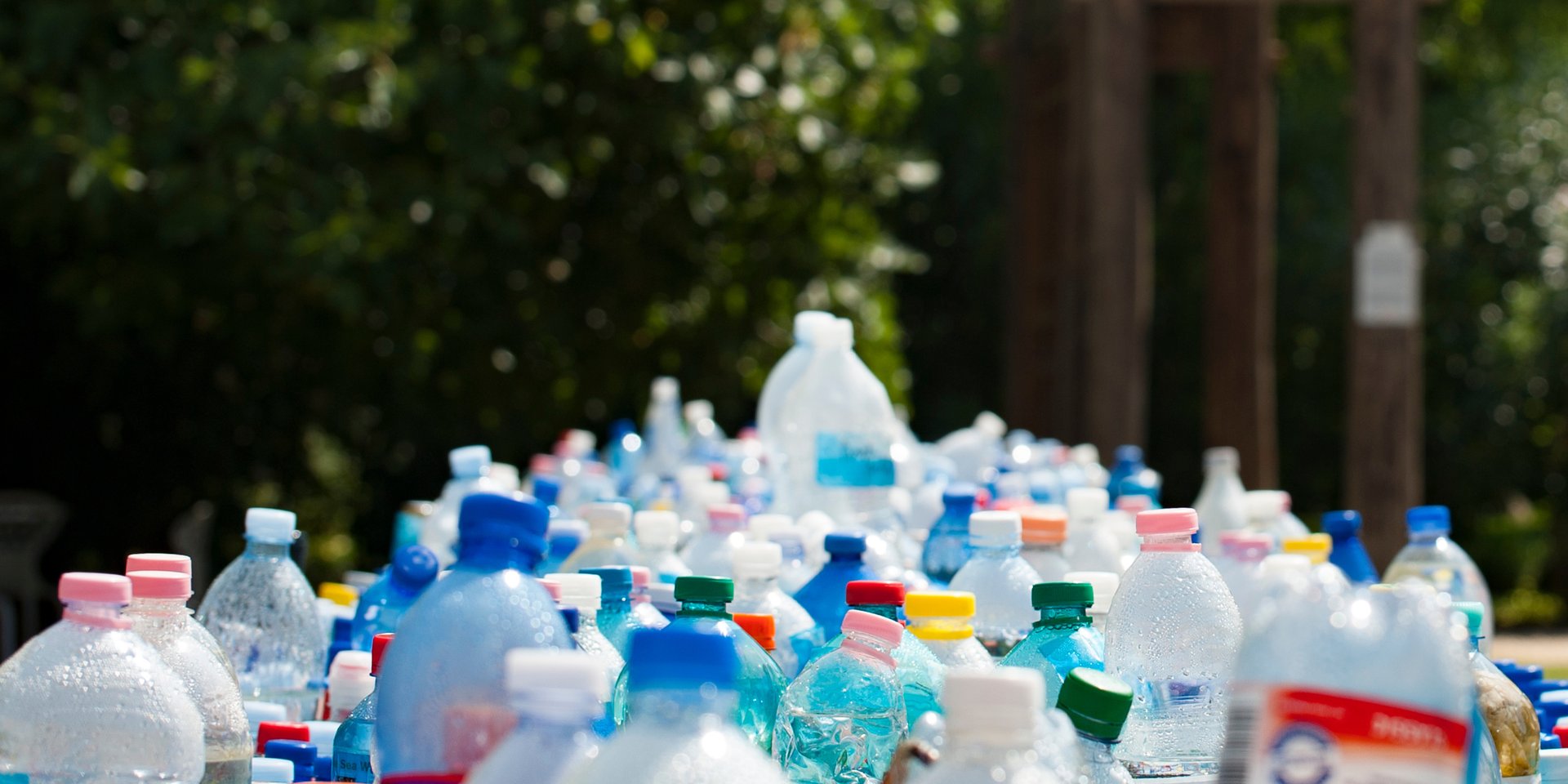
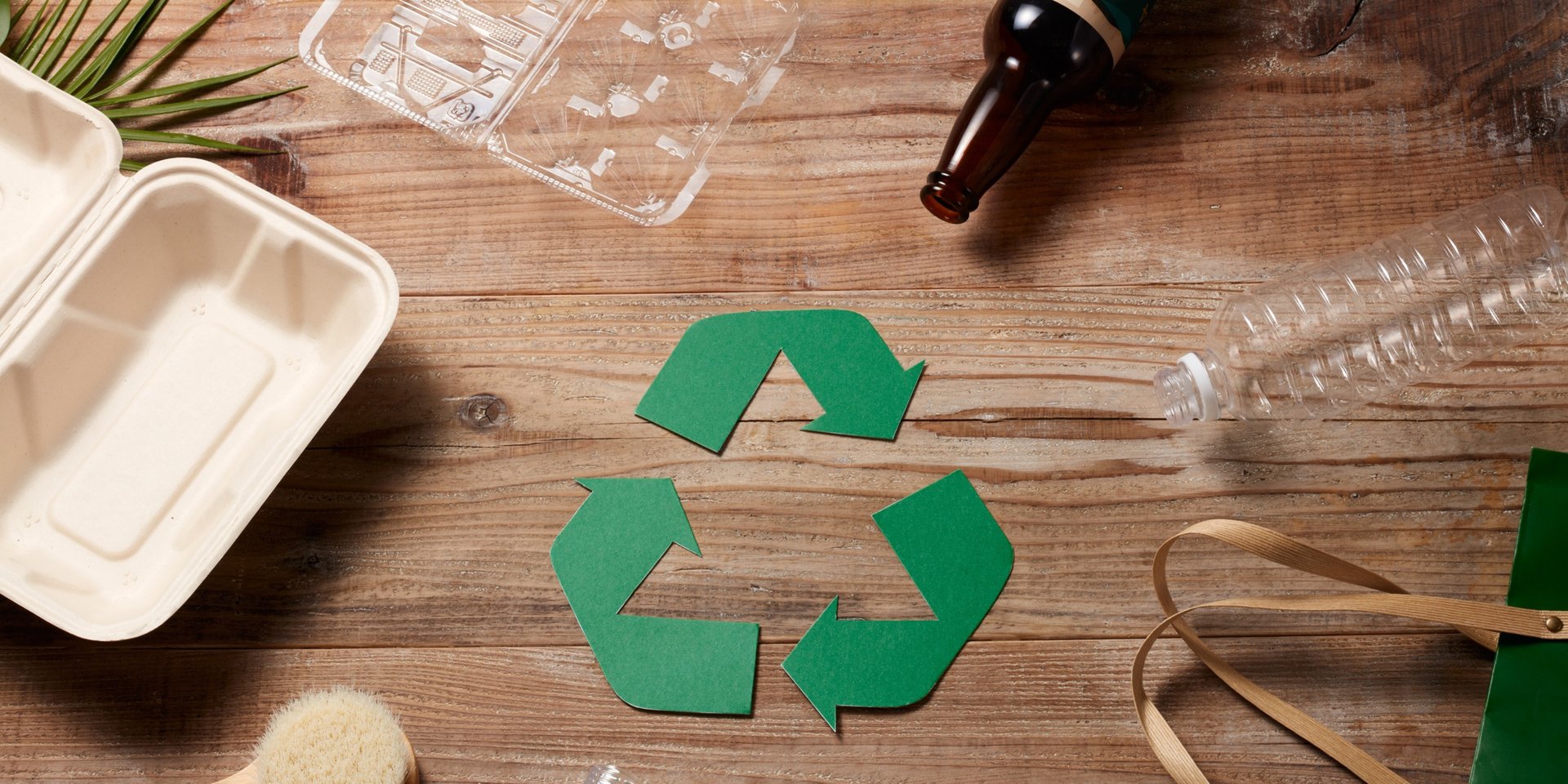
One of the biggest misconceptions about recycling is that if an item has a recycling symbol, it automatically belongs in your curbside recycling bin. Unfortunately, that's not always true. Phoenix-area recycling programs only accept certain materials, and placing non-recyclable items in the recycling container can contaminate entire loads. Understanding what those little numbers inside the recycling symbol mean can help.
Most plastic containers have a number from 1 to 7 inside the familiar recycling triangle. These numbers identify the type of plastic resin used to manufacture the product.
Common examples: •Water bottles •Soft drink bottles •Salad dressing containers •Peanut butter jars
Generally accepted by most recycling programs and highly recyclable.
Common examples: •Milk jugs •Laundry detergent bottles •Shampoo bottles •Household cleaner containers
One of the easiest plastics to recycle and highly desirable in recycling streams.
Common examples: •Plumbing pipes •Vinyl products •Some food packaging
Generally not accepted in residential curbside recycling programs.
Common examples: •Bread bags •Produce bags •Dry cleaning bags
Typically not accepted in curbside recycling bins, but many grocery stores offer special collection programs.
Common examples: •Yogurt containers •Sour cream tubs •Some takeout containers
Increasingly accepted by recycling facilities but acceptance varies.
Common examples: •Foam cups •Foam takeout containers •Packing peanuts
Rarely accepted through curbside recycling.
Common examples: •Mixed-material plastics •Bioplastics •Specialty packaging
Typically not recyclable through standard curbside programs.
_______________________________________________________________________________
Even if a plastic container is technically recyclable, it should be: •Empty •Clean •Dry
Food residue is one of the biggest causes of contamination in recycling programs.
This is one of the most commonly misunderstood recycling questions.
The answer is: sometimes.
The clean portions of a pizza box are generally recyclable. The greasy portions are not. Grease and food contamination can interfere with the paper recycling process.
A good rule of thumb:
If your city offers composting, greasy cardboard can often be composted instead.
Many well-intentioned recyclers accidentally "wish-cycle" by placing items in the recycling bin because they hope they can be recycled.
Common offenders include: •Garden hoses •Plastic utensils •Coffee cups •Plastic bags •Tanglers like cords and holiday lights •Clothing •Batteries
These items can damage sorting equipment and contaminate recycling streams. When in doubt, check your local municipality's recycling guidelines before tossing something into the blue bin.
_______________________________________________________________________________
Have you ever noticed the small sticker on apples, bananas, avocados, or other produce?
Those numbers are called PLU codes (Price Look-Up codes), and they provide information about how the produce was grown.
While they don't tell the entire story, they can provide helpful clues.
A four-digit code generally indicates conventionally grown produce. This means synthetic fertilizers and pesticides may have been used according to standard agricultural practices.
Examples: •94011 bananas •94131 apples
These indicate organically grown produce. Organic farming follows stricter guidelines regarding pesticide use, soil health, and production practices.
Years ago, codes beginning with 8 were intended for genetically modified produce. However, this system was never widely adopted and is rarely seen in stores today.
Not necessarily. Both conventional and organic produce can be safe and nutritious. The most important thing is washing fruits and vegetables thoroughly before consumption. Eating more fruits and vegetables—regardless of growing method—is generally far more important than avoiding produce altogether because of cost concerns.
_______________________________________________________________________________
Living sustainably in Arizona often begins with water. Our desert environment makes water conservation one of the most impactful choices homeowners can make.
Many homeowners forget to adjust irrigation timers as temperatures change. This can lead to significant water waste.
Watering before sunrise minimizes evaporation and allows plants to absorb moisture more effectively.
Arizona-native plants generally: •Require less water •Need less maintenance •Support local wildlife •Thrive naturally in our climate
Popular options include: •Desert spoon •Red yucca •Baja fairy duster •Globe mallow •Desert marigold
_______________________________________________________________________________
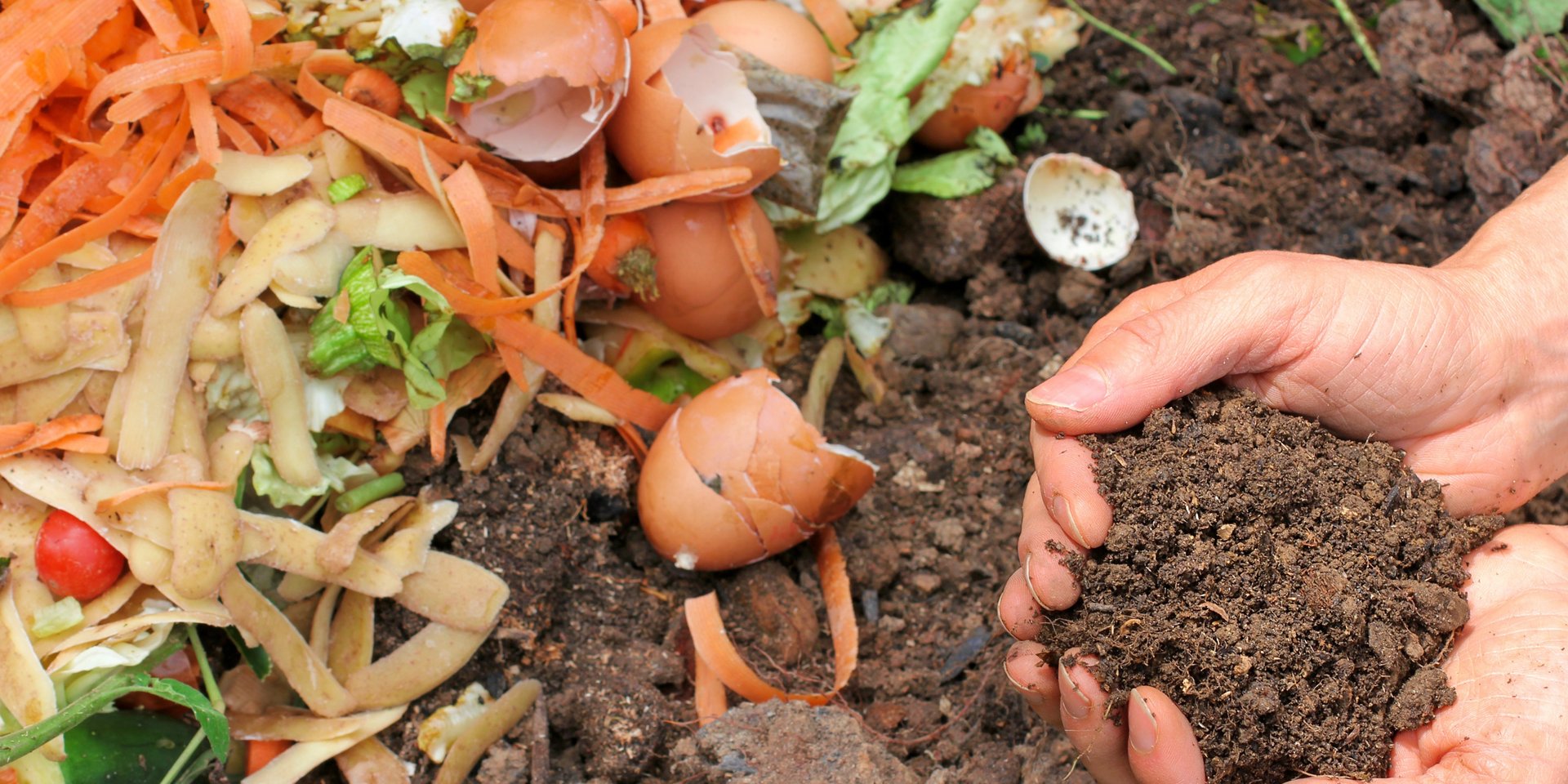
Many families are surprised to learn that food waste is one of the largest contributors to landfill methane emissions.
Simple strategies include:
_______________________________________________________________________________
Not every "green" product is worth the investment. However, a few simple swaps often save money while reducing waste.
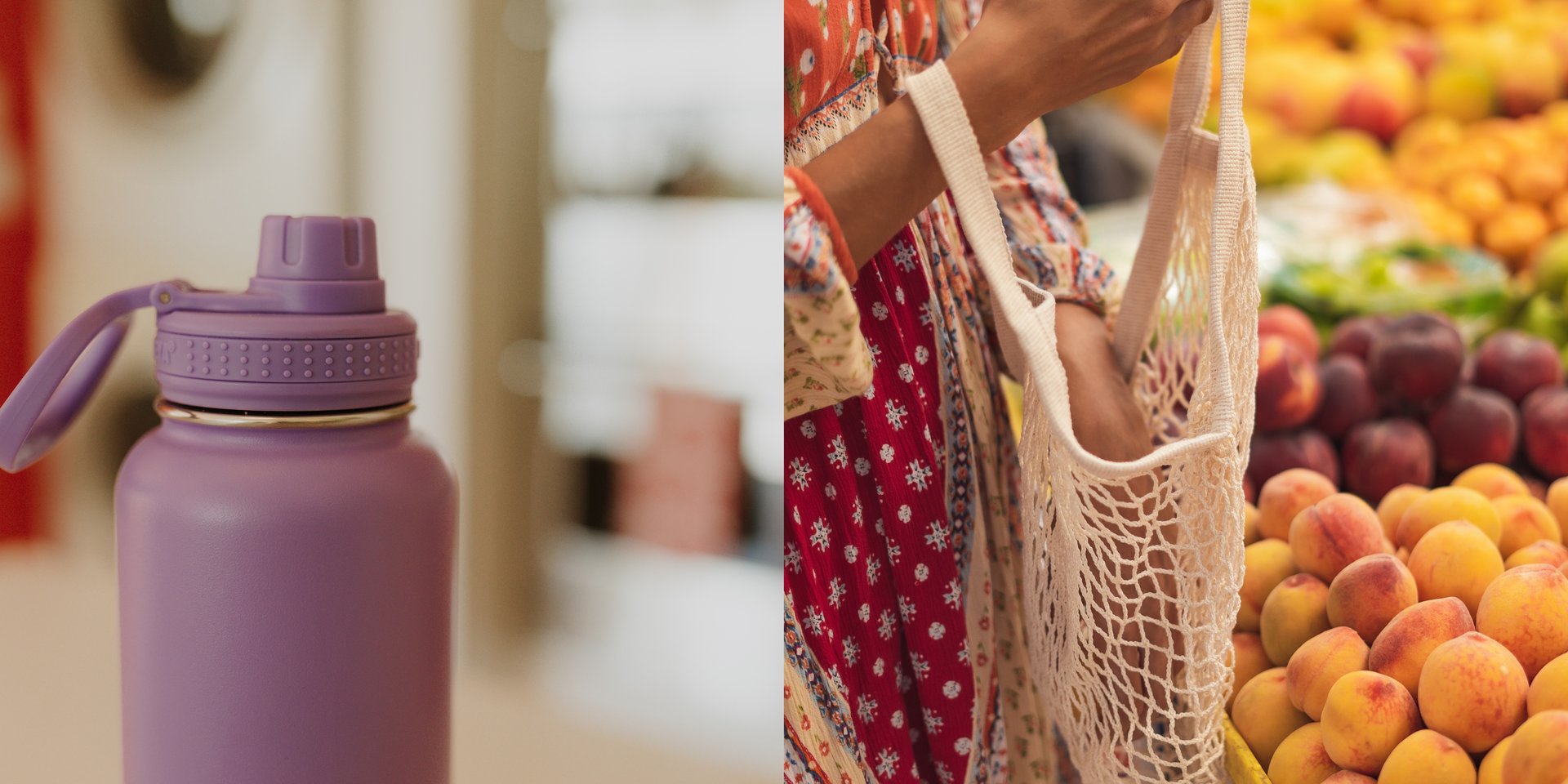
Consider: •Reusable water bottles •Cloth grocery bags •Rechargeable batteries •Reusable food storage containers •Refillable cleaning products •Microfiber cleaning cloths
Many families are surprised by how quickly these changes reduce household spending.
A healthier home isn't only about what goes into the recycling bin. Indoor air quality affects both personal health and environmental sustainability.
Simple improvements include: •Changing HVAC filters regularly •Using low-VOC paints •Adding houseplants •Opening windows during mild weather •Using exhaust fans while cooking •Maintaining HVAC systems properly
Many homeowners focus on energy efficiency while overlooking air quality, even though both contribute significantly to a healthier home.
Perhaps the most important thing to remember is that sustainability isn't about perfection. It's about progress.
You don't need to grow your own food, eliminate all plastic, or completely transform your lifestyle overnight.
Small actions add up: •Recycling correctly •Conserving water •Reducing food waste •Choosing reusable products •Learning how products are made •Supporting environmentally responsible businesses
When multiplied across thousands of households throughout Phoenix, Scottsdale, Paradise Valley, and the greater Valley, these seemingly small choices can create meaningful change.
Whether you're choosing recyclable materials, learning how to read produce labels, reducing water use, or simply becoming a more informed consumer, every step toward sustainability contributes to a healthier home and a healthier community.
And ultimately, that's what earth-friendly living is really about—not perfection, but making thoughtful choices that benefit our families today while preserving resources for future generations.
Because sometimes the most impactful environmental changes aren't the big headline-grabbing initiatives. They're the small, everyday decisions that become lifelong habits.
One recycled container.
One shorter irrigation cycle.
One reusable water bottle.
One informed purchase at a time.
Together, those choices can make a remarkable difference.
Stay up to date on the latest real estate trends.

Less Scrolling, More Living: Finding Gratitude, Contentment & Connection in a Noisy World

10 questions to help you decide if your home still fits your life.





Supporting your real estate goals with comprehensive information and expert advice. We look forward to the opportunity to serve you! Work with the team now!
Get In Touch With Our Team To Learn More

INSPIRED LIVING REAL ESTATE COLLECTIVE
7025 E Via Soleri Dr #125 Scottsdale, AZ 85251