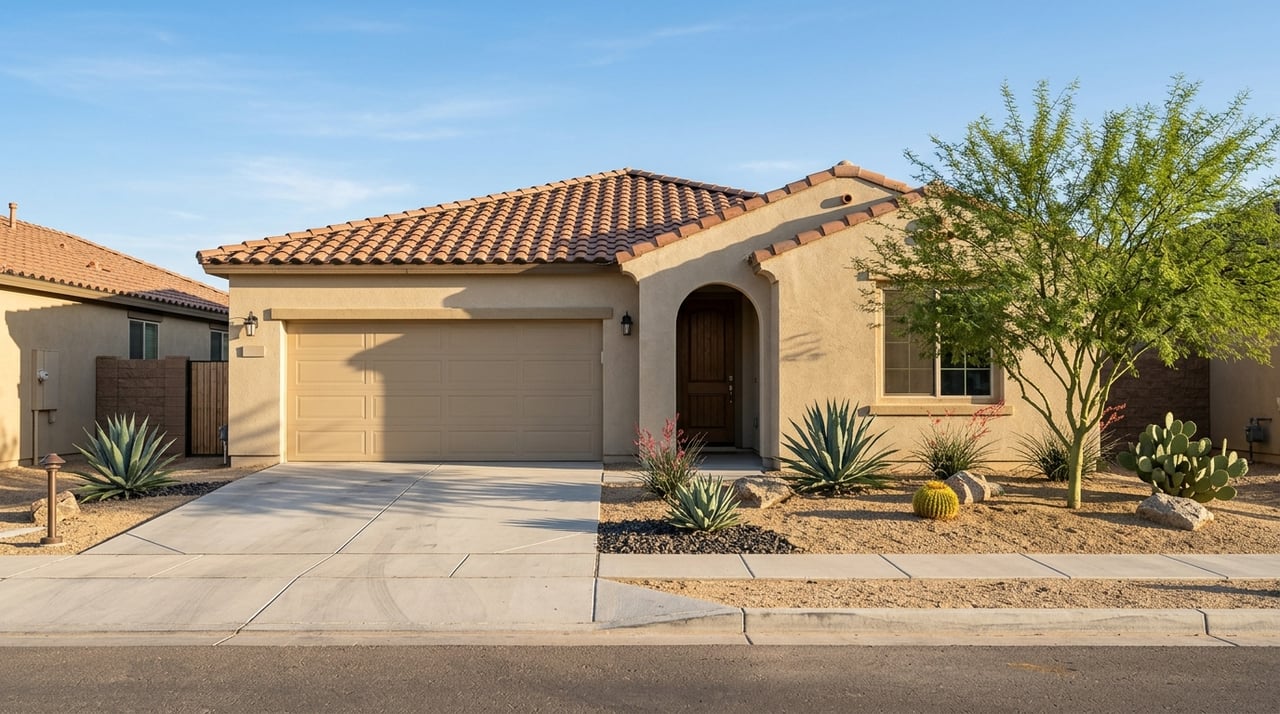
From Agritopia To Power Ranch: Comparing Gilbert Neighborhood Styles
July 9, 2026
July 9, 2026
Wondering which Gilbert neighborhood style actually fits your day-to-day life? If you are comparing Agritopia, Heritage District-adjacent areas, and Power Ranch, it helps to look past the buzzwords and focus on how each place feels, functions, and flows. This guide breaks down the real differences so you can narrow your search with more confidence. Let’s dive in.
Gilbert offers a few very different neighborhood experiences, even within the same town. Agritopia, Heritage District-adjacent neighborhoods, and Power Ranch each have their own layout, rhythm, and lifestyle feel.
At a high level, Agritopia sits near Higley and Ray and centers on a village-style agrihood model. Heritage District-adjacent neighborhoods are tied to downtown Gilbert near Gilbert Road and Juniper or Elliot, where older residential blocks meet ongoing redevelopment. Power Ranch stretches south of Pecos and Germann and reflects a large, amenity-rich master-planned community.
That geography matters. It shapes your commute, the kind of streetscape you see every day, and whether your routine revolves around a farm and dining hub, a downtown district, or parks and HOA amenities.
Agritopia is organized around 11 certified-organic acres within a 160-acre development. Its layout is intentionally walkable, with homes placed closer to the front of the lot, garages moved to the rear, and lower fences that create a more open, pedestrian-friendly feel.
You will also notice tree-lined streets, communal lawns, and cottage-style clusters that feel more like a village than a standard subdivision. The architecture is intentionally distinct, which gives the neighborhood a strong identity right away.
In Agritopia, a lot of daily errands and social time can happen close to home. The neighborhood includes the farm, Barnone, the Coffee Shop, Joe's Farm Grill, and Epicenter, which adds dining, shopping, fitness, yoga, cocktail bars, and apartments.
This is not just farm-themed branding. The farm is a working part of the neighborhood and supplies produce to local restaurants within the community.
Agritopia tends to appeal to buyers who want a design-forward neighborhood with a built-in social element. If you like walkability, mixed-use convenience, and a more curated setting, this style can feel especially compelling.
The trade-off is privacy and separation. Agritopia is intentionally communal, so it may feel less like a quiet suburban enclave and more like a compact village with foot traffic, shared spaces, and an active neighborhood identity.
If you want the closest thing Gilbert has to a true downtown residential experience, Heritage District-adjacent neighborhoods stand out. The Heritage District is Gilbert’s original townsite and covers about 0.3 square miles of mixed retail, office, education, housing, and entertainment uses.
Nearby residential areas include blocks influenced by early-1900s styles and traditional neighborhood design. Town guidelines highlight features such as bungalow, farmhouse, cottage, Territorial Ranch, Mission, and Arts and Crafts styles, along with front porches, courtyards or raised stoops, street-facing homes, and alley-loaded garages.
The Lacy Tract, developed in 1917, is specifically called out by the Town as a traditional neighborhood area with bungalow homes. That helps explain why this part of Gilbert feels different from newer planned communities.
Living near the Heritage District means being closely tied to downtown activity. The district includes historic buildings, restaurants, shops, murals, and ongoing events, and current projects like Heritage Park at Gilbert Road and Juniper Avenue are planned to add more mixed-use residential space and a town-square component.
This location can support a more walkable, out-and-about routine. At the same time, the Town’s active parking information and district updates reflect a practical reality here: events, parking patterns, and construction activity are part of the experience.
This option can be a strong fit if you value character, downtown access, and a neighborhood that feels less uniform. You may appreciate the charm of older design details and the energy that comes with a more active district.
The trade-off is consistency. These nearby residential streets can vary more from block to block, and the housing stock is generally less standardized than what you would find in a large HOA-managed master plan.
Power Ranch is a master-planned community made up of 12 neighborhoods and more than 4,000 homes. Its design guidelines emphasize visual consistency, and exterior changes, additions, and landscaping typically require HOA review.
The maintained landscape is a major part of the neighborhood identity. The community includes more than 280 maintained acres, over 14,000 trees, and an estimated 650,000 plants.
Power Ranch is the most amenity-centered option of the three. Residents have access to 11 neighborhood parks, more than 26 miles of trails, two catch-and-release fishing lakes, community pools open daily from 6 a.m. to 10 p.m., courts, pavilions, and recurring lifestyle events.
The HOA also manages access cards and resident-only use for key amenities. In practical terms, your routine here is more likely to revolve around parks, trails, lakes, and community programming than around a downtown dining and retail core.
Power Ranch often works well for buyers who want a structured, recreation-rich environment with a clear system in place. If you like predictable neighborhood upkeep and a long list of shared amenities, this style can be very appealing.
The trade-off is the HOA framework. Design review and community rules are part of the experience, and the overall feel is more internally programmed than mixed-use or organically varied.
Real estate terms can sound similar until you see how they play out in everyday life. In Gilbert, these three labels point to very different living environments.
In Agritopia, agrihood means there is an actual working farm integrated into the neighborhood. It also means maker spaces, dining, and mixed-use walkability are part of the community fabric, not an afterthought.
Heritage District-adjacent does not refer to one single subdivision. It describes downtown Gilbert blocks and nearby residential streets that connect to the original townsite and its mix of historic character, varied housing, and active redevelopment.
In Power Ranch, master-planned means a coordinated neighborhood system with HOA design review and a broad recreation network. It is organized, amenity-rich, and designed for consistency across the community.
If you are deciding between these neighborhood styles, it helps to focus on how you want your week to feel, not just what a listing looks like online. Your best fit often comes down to routine, priorities, and comfort with neighborhood structure.
Here is a simple way to think about it:
A strong neighborhood match can shape your experience just as much as square footage or finishes. When you narrow the lifestyle first, it becomes much easier to identify the homes that make sense for you.
If you want help comparing Gilbert neighborhoods with a concierge approach and local perspective, connect with Inspired Living Real Estate Collective. We can help you explore curated listings, neighborhood nuances, and the lifestyle details that matter most to your move.
Stay up to date on the latest real estate trends.

Less Scrolling, More Living: Finding Gratitude, Contentment & Connection in a Noisy World

10 questions to help you decide if your home still fits your life.


Supporting your real estate goals with comprehensive information and expert advice. We look forward to the opportunity to serve you! Work with the team now!
Get In Touch With Our Team To Learn More
INSPIRED LIVING REAL ESTATE COLLECTIVE
7025 E Via Soleri Dr #125 Scottsdale, AZ 85251