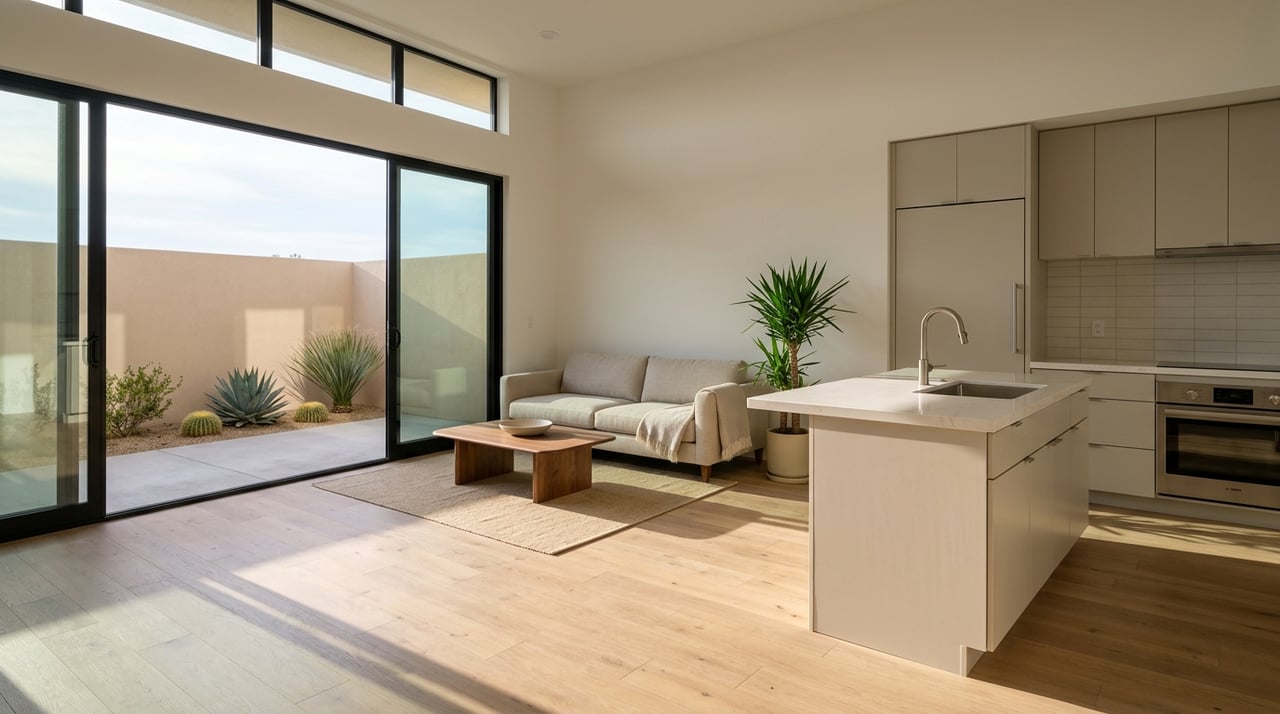
Chandler Tech Corridor Housing for Relocating Professionals
July 23, 2026
July 23, 2026
If you’re relocating for a job in Chandler’s tech hub, your home search can feel like a balancing act. You want an easy commute, the right level of upkeep, and a neighborhood setting that fits your day-to-day life without overcomplicating your move. The good news is that Chandler’s Price Corridor gives you several realistic housing paths, and understanding how the area is planned can help you choose with confidence. Let’s dive in.
Chandler’s Price Corridor is a major employment district that covers 5.7 square miles and includes 783 businesses and 41,620 jobs. It sits near Loop 101 and Loop 202, and the city describes the area as a mix of Class A office space, executive office suites, light industrial parks, mixed-use projects, and corporate campus settings.
That concentration of jobs helps explain why so many relocating professionals focus their search here first. The corridor includes major employers such as Intel, Wells Fargo, Bank of America, Northrop Grumman, and Microchip Technology, which creates a strong live-near-work appeal.
Commute convenience is also part of the story. From the corridor center, Loop 202 and Loop 101 are about 1 minute away, I-10 is about 7 minutes away, Sky Harbor is about 19 minutes away, and Chandler Fashion Center is about 5 minutes away.
One important detail many buyers miss is that housing near the Price Corridor is influenced by long-term city planning, not just market demand. Chandler’s current general plan draft treats South Price Road as a long-term employment corridor focused on high-wage, knowledge-based uses.
In practical terms, that means you should not expect endless residential growth right inside the corridor. Residential use is limited mainly to ancillary mixed-use settings, and new intensity is intended to taper toward existing neighborhoods east of Price Road.
For you as a buyer, this matters because it helps explain why nearby housing often comes in specific pockets and product types. Instead of one uniform housing pattern, you’ll see a mix of attached and detached options in surrounding areas that support access to the corridor.
Chandler says its housing stock includes active HOAs, traditional neighborhoods, multifamily homes, condos, and other housing types. The city also notes that its housing strategy is meant to serve affordable, workforce, and market-rate needs, including the needs of young professionals, growing families, and seniors.
That variety is helpful if you’re relocating with different priorities. You may want a lock-and-leave condo, a townhome with less exterior upkeep, or a single-family home with more space and privacy.
If you want lower-maintenance living, condo-style housing is a real part of the south Chandler market near the corridor. In southeast Chandler, the city approved Pinelake Condominiums as a 93-unit for-sale condo project near Ocotillo Road and Pinelake Way, with two-story condo buildings, two garage spaces per unit, and unit sizes of about 1,053 to 1,465 square feet.
City GIS records also show multiple condo-style subdivisions in the Ocotillo area, including Echelon at Ocotillo Condominium, Ocotillo Patio Villas Condominium, Villas at Ocotillo, and Cays at Downtown Ocotillo Amended. That gives you more than one attached-home option if you want a shorter commute and a simpler ownership model.
Some attached-home communities also lean into amenities. Villas at Ocotillo, for example, describes itself as a 49-home gated enclave with water views plus a heated pool and spa.
If you need more room or prefer detached living, south Chandler also offers single-family options in established master-planned settings. Ocotillo Community Association describes Ocotillo as a master-planned community with diverse housing options, lakes, green spaces, parks, walking paths, and the Ocotillo Golf Club.
Fulton Ranch offers another example of a planned community format near this part of Chandler. Its HOA describes a 520-acre master-planned community with custom homes, single-family homes, townhomes, three retail centers, a 28-acre lake system, walking paths, and ramadas.
For many relocating professionals, these areas can create a strong middle ground. You stay within reach of major employers and freeways while gaining a more residential setting with established community features.
Many homes near the Price Corridor are in HOA communities, so it helps to understand how that affects day-to-day ownership. Chandler says HOAs are private organizations that enforce maintenance standards through CC&Rs, and those standards can be more restrictive than city code.
The city also notes that Chandler codes and ordinances still apply to every property, including homes in HOA neighborhoods. Buyers usually sign HOA documents during the purchase process, so it is important to review those materials carefully before closing.
For some buyers, HOA living is a plus because it can reduce personal maintenance responsibilities. For others, the rules can feel limiting, especially if flexibility matters to you.
HOA costs vary by community, but the structure can be useful if you want predictable shared maintenance. In the Villas at Ocotillo handbook, association dues cover unit insurance, water, sewer, refuse collection, common-area maintenance, the pool and spa, and the entrance gate.
That setup shows one of the main tradeoffs of attached-home living. You may spend less time dealing with yardwork or exterior upkeep, but you also take on monthly dues and community rules.
Before you choose a condo, townhome, or HOA-managed single-family home, review the practical rules that could affect your routine. Based on Chandler’s HOA guidance and the Villas handbook, buyers should pay close attention to:
A well-matched HOA can make relocation easier. A poorly matched one can create friction after move-in, even if the home itself checks every box.
If you’re moving for work, your drive time often shapes your home search as much as the property itself. The Price Corridor’s location near Loop 101 and Loop 202 gives many nearby neighborhoods a practical commute advantage.
That advantage may hold value over time, especially for buyers who want flexibility if they change employers within Chandler’s broader tech and office market. When a home offers quick access to major business campuses and highways, it often stays relevant to a wider professional buyer pool.
Chandler also offers some transit and mobility support. The city includes fixed-route bus service, Paratransit, RideChoice, Chandler Flex on-demand service, and a Lyft first-mile/last-mile program south of Pecos Road.
For most households, a car will still be central to daily life. Even so, these options can add a useful layer of flexibility in south Chandler.
A relocation decision is not only about your office address. The areas near the Price Corridor also appeal to buyers who want a manageable mix of convenience and lifestyle.
The city describes the corridor as a magnet for talent because of nearby neighborhoods, shopping, and dining. Chandler Fashion Center is about 5 minutes from the corridor center, and nearby master-planned communities add features like lakes, walking paths, golf, and green space.
If your schedule is busy, those nearby conveniences can matter more than you expect. Being able to shorten errands, reach the airport more easily, or enjoy community amenities close to home can make the transition into a new city feel smoother.
Even if you plan to stay for years, it is smart to think ahead. Chandler’s housing strategy emphasizes aligning housing with economic development goals and workforce needs, which supports the idea of a diverse housing continuum in the city.
Citywide, Census QuickFacts show a 65.0 percent owner-occupied housing rate, a median owner-occupied home value of $507,800, median monthly owner costs with a mortgage of $2,044, and median gross rent of $1,902. Those figures are broad context only, and prices near the corridor can vary significantly by home type, location, and HOA structure.
When you compare homes near Chandler’s tech corridor, a few questions are especially useful:
These questions can help you think beyond the first showing. They also help you buy with both lifestyle and future flexibility in mind.
If you’re just starting your move, begin by deciding what matters most in your first year in Chandler. For some buyers, the answer is the shortest possible commute. For others, it is lower maintenance, more space, or a stronger amenity package.
A simple way to narrow your options is to rank your priorities in this order:
Once you know your order of priorities, the housing choices near the Price Corridor become much easier to sort. That is where a concierge approach and local neighborhood expertise can save you time and reduce guesswork.
If you’re planning a move to Chandler and want help comparing condos, townhomes, and single-family options near the Price Corridor, connect with Inspired Living Real Estate Collective for a tailored, relocation-friendly home search.
Stay up to date on the latest real estate trends.
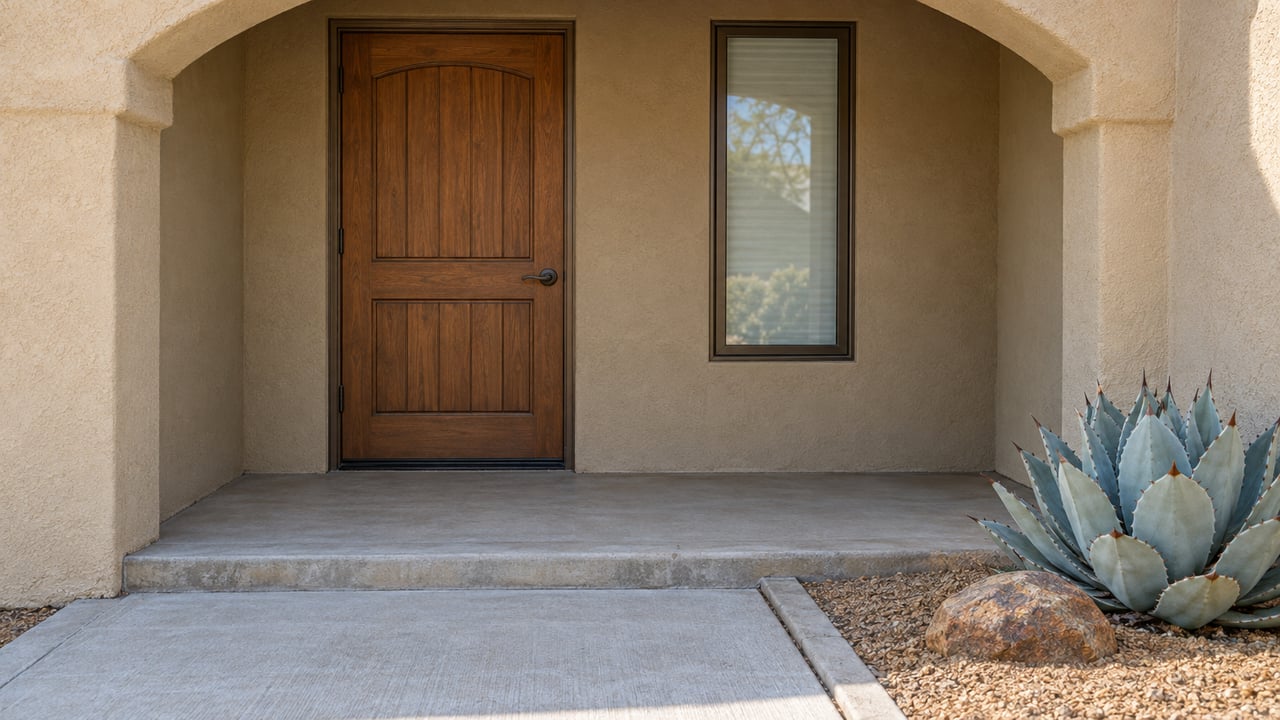

Less Scrolling, More Living: Finding Gratitude, Contentment & Connection in a Noisy World

10 questions to help you decide if your home still fits your life.


Supporting your real estate goals with comprehensive information and expert advice. We look forward to the opportunity to serve you! Work with the team now!
Get In Touch With Our Team To Learn More
INSPIRED LIVING REAL ESTATE COLLECTIVE
7025 E Via Soleri Dr #125 Scottsdale, AZ 85251