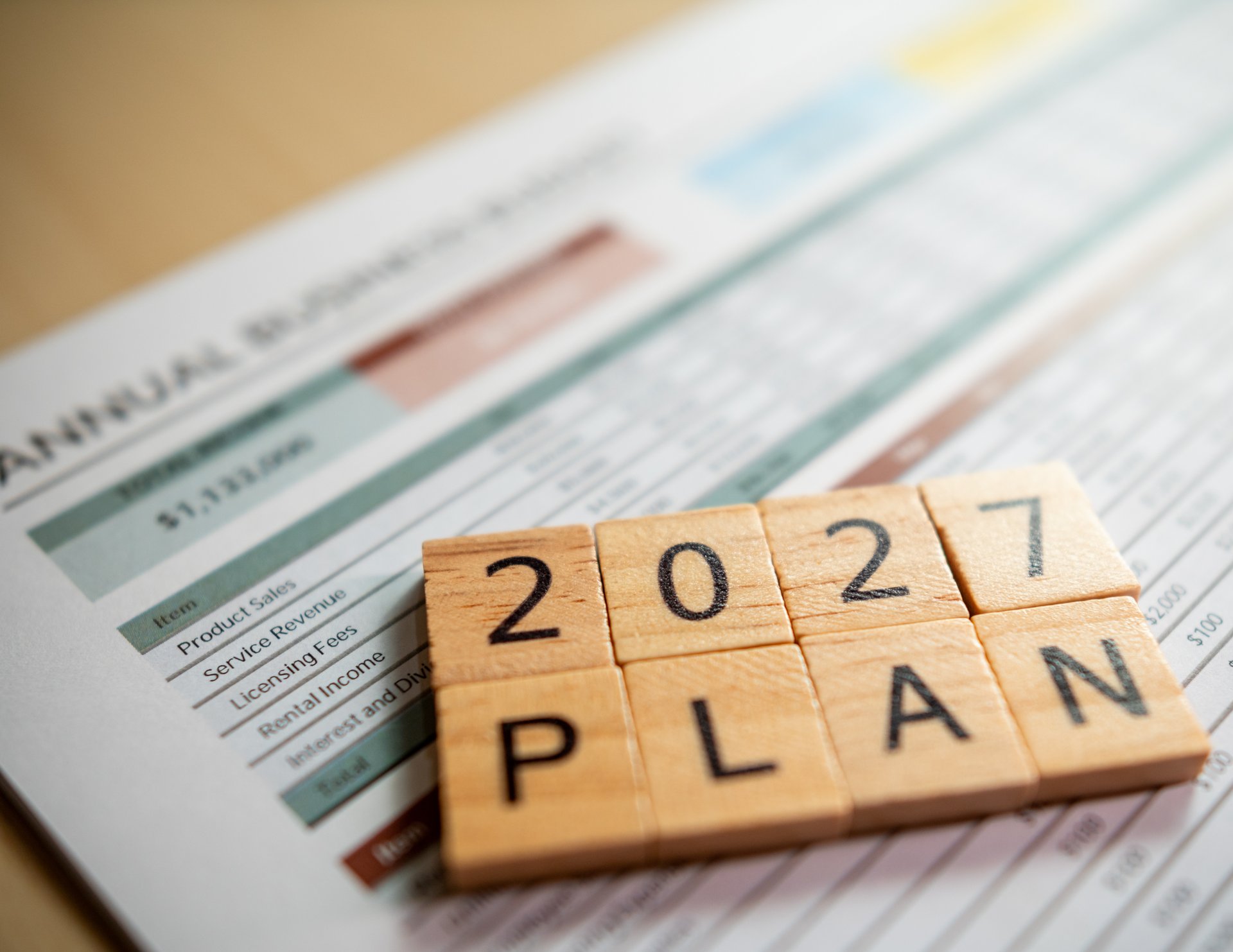
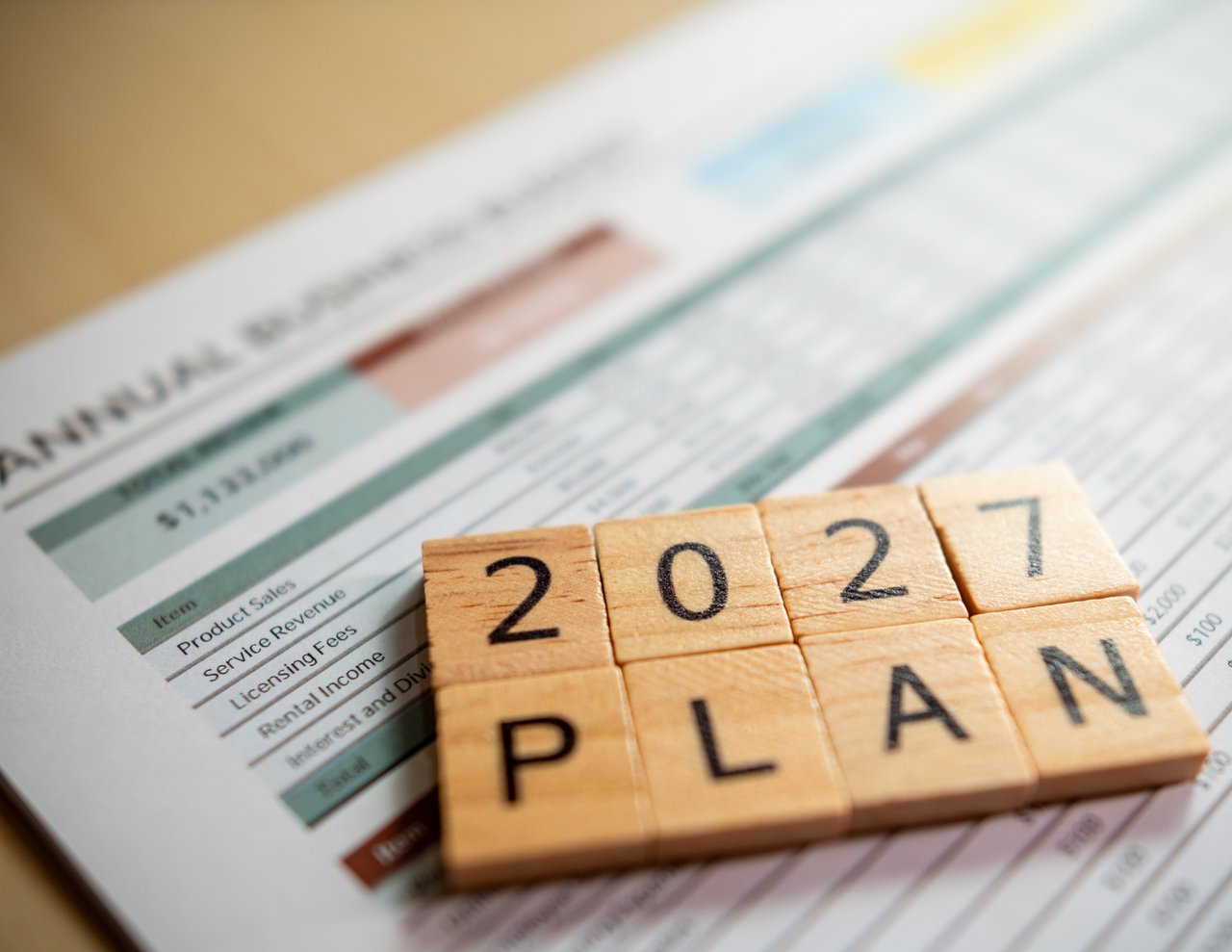
Before the Ball Drops: 8 Smart Arizona Real Estate Moves to Consider Before 2027
From year-end negotiating opportunities and builder incentives to home equity, investment strategies, and preparing for your next chapter.
The holidays are approaching, our calendars are filling up, and most people are thinking about Thanksgiving menus, travel plans, and holiday shopping - not real estate.
But here's something worth considering:
While everyone else is making holiday plans, some of the year's most interesting real estate opportunities may be quietly taking shape. Sellers with homes that have been on the market longer than expected may be more open to negotiations, builders may be motivated to sell completed inventory before year-end, and active buyers could face less competition. Meanwhile, homeowners who take time to evaluate their equity, investments, and future housing needs can enter 2027 with a clearer strategy.
Does that mean everyone should rush to buy or sell before December 31? Absolutely not. After more than 25 years in Arizona real estate, I've learned that opportunities don't always follow the calendar. Sometimes the best move is to act before the new year, sometimes it's to prepare for what's ahead, and sometimes it's to stay exactly where you are.
The key is knowing the difference. Here are eight real estate decisions worth considering before we welcome 2027.

__________________________________________________________________________________________________________
First, What Is the Arizona Housing Market Telling Us?
Before talking strategy, let's look at what's actually happening.
According to the October 2026 ARMLS STAT report, reflecting September activity:
-Median sales price: $450,000, unchanged year over year.
-Months of supply: 4.45 months.
-Market conditions: Activity varies considerably by community, with some areas moving faster than others.
These are broad ARMLS market figures, not specific statistics for Scottsdale, Paradise Valley, or any individual neighborhood.
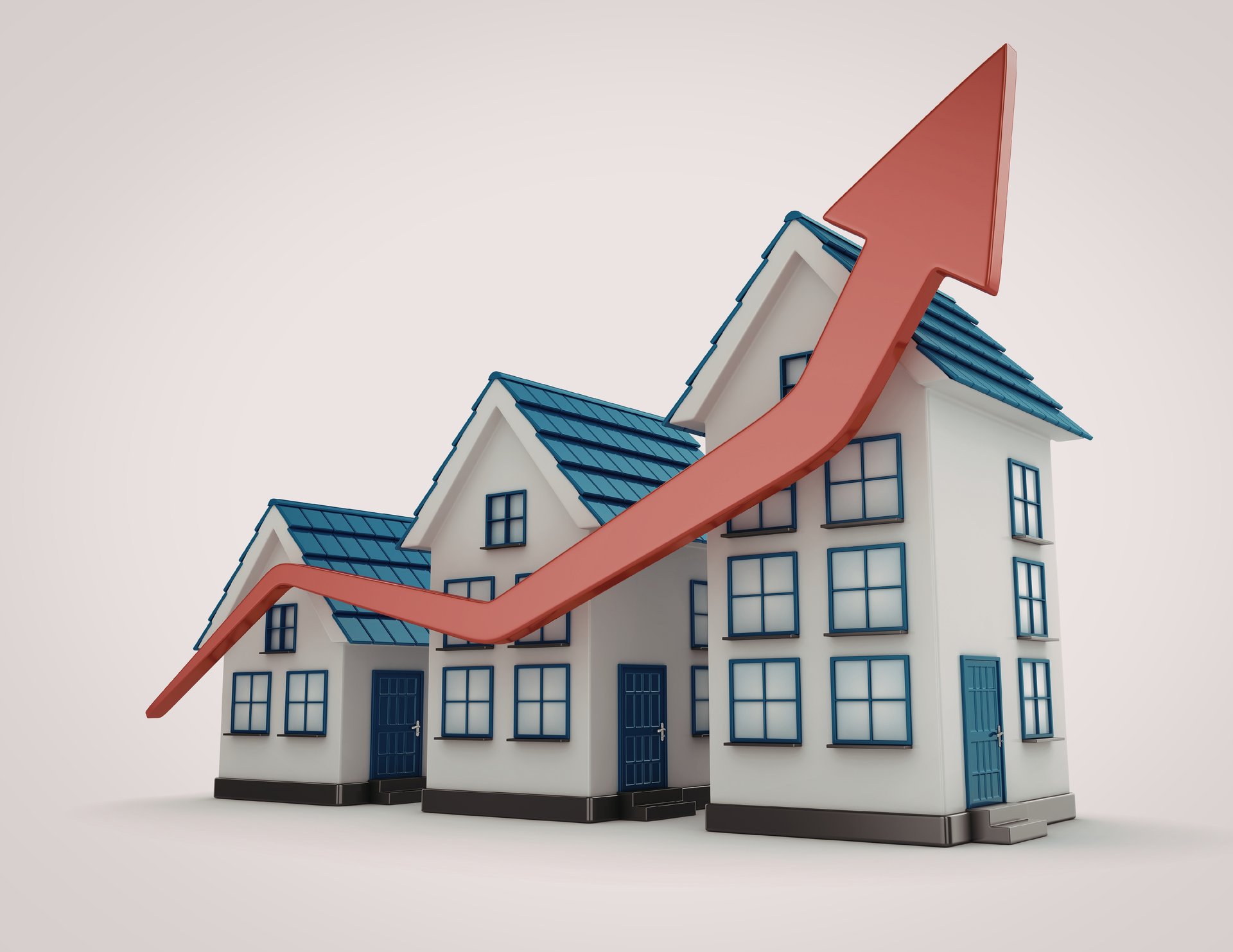
Here's what I find interesting. We're seeing a market where buyers generally have more time to evaluate their options, yet that hasn't translated into dramatic price declines across the board. And that creates an important distinction: A market with more negotiating opportunities isn't necessarily a market where every home is a bargain. The opportunity depends on the property, location, condition, seller motivation, and financing. Which brings us to our first strategy.
__________________________________________________________________________________________________________
1. Buyers: Don't Overlook the Year-End Negotiating Window
There is a persistent belief that spring is always the best time to buy a home. But spring also tends to bring more buyers into the market, and more buyers can mean more competition.
Interestingly, Realtor.com's 2026 seasonal analysis identified November 1–7 as the most favorable modeled week for buyers in the Phoenix-Mesa-Chandler metropolitan area. Based on historical seasonal patterns, its analysis found that this period typically offers:
-16.4% more active listings than an average week.
-39.1% fewer listing views per property compared with the annual peak.
-Approximately 10 additional days on market compared with the fastest-selling period.
-Median listing prices 5.6% below their seasonal peak.
These are historical seasonal comparisons, not guaranteed savings or predictions for individual homes. But they highlight an opportunity that many buyers overlook. While others are distracted by holiday plans, motivated buyers may find more room to negotiate.
That could mean a better purchase price, seller-paid closing costs, repair concessions, a more favorable closing timeline, or another creative solution. And sometimes the most valuable concession isn't the one with the biggest dollar amount. It's the one that best addresses your specific financial needs.
My advice: Don't assume you need to wait until spring. Evaluate what's available now and what negotiating leverage exists on the properties that interest you.

__________________________________________________________________________________________________________
2. New Construction: The Builder's Calendar Could Be Your Advantage
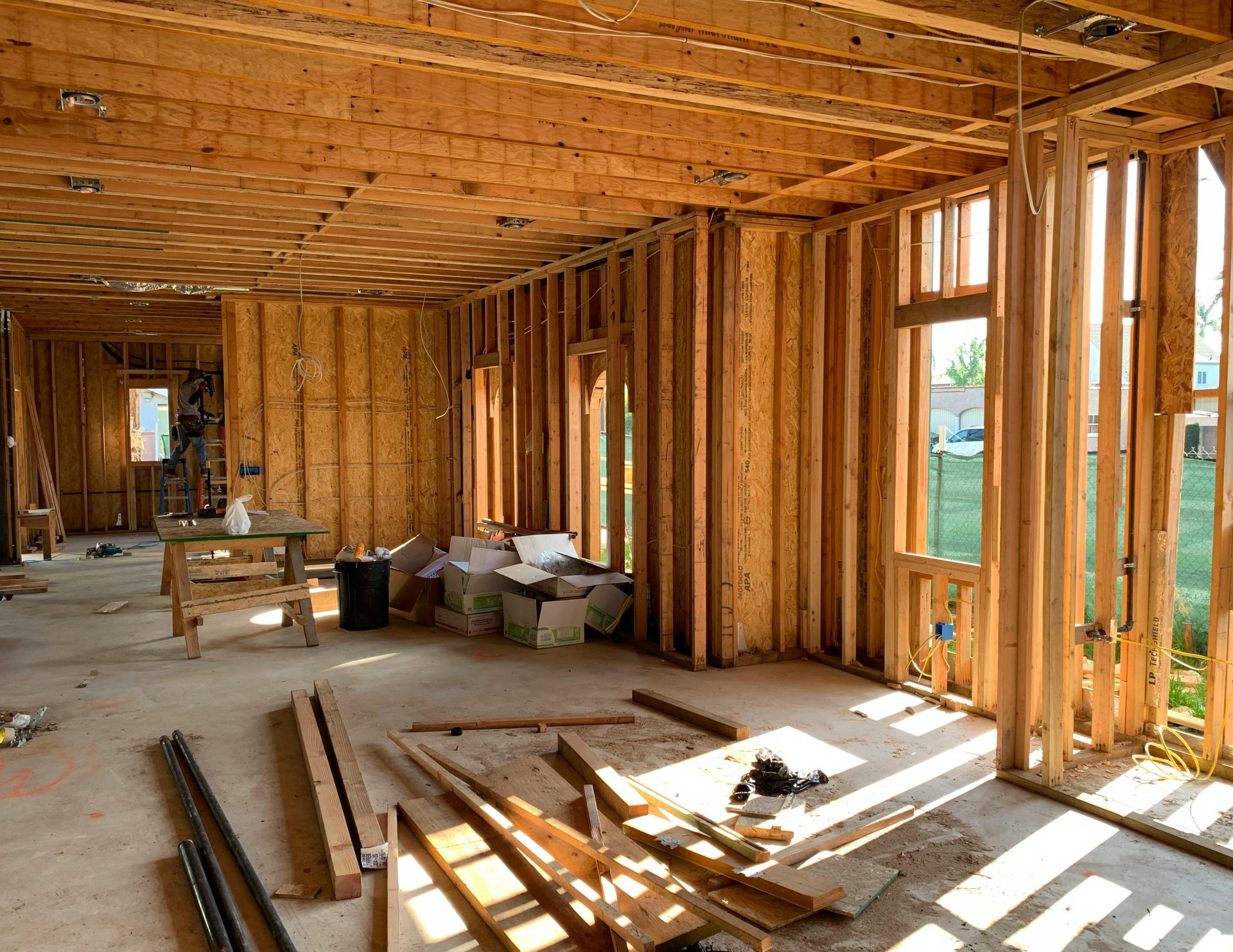
This is one of the opportunities I think deserves much more attention. Builders have a different set of financial considerations than individual homeowners. They may have completed inventory, construction loans, carrying costs, sales targets, and financing partnerships that influence their willingness to negotiate. As we approach year-end, those considerations can create opportunities for buyers.
According to the National Association of Home Builders, 66% of builders surveyed nationally were using sales incentives in September 2026, while 38% reported cutting prices. The average reported price reduction among builders cutting prices was 6%.
Those are national statistics, not Arizona-specific figures, and they don't mean every builder is offering the same deal. But they illustrate why new construction deserves a closer look.
Three Opportunities to Investigate
Completed or Quick-Move-In Homes
A builder with a finished home may be more motivated to negotiate than one selling a home that hasn't yet started construction. An unsold completed property ties up capital and generates carrying costs. Depending on the builder and community, there may be opportunities to negotiate pricing, closing costs, or upgrades.
Financing Incentives
Builders sometimes offer financing packages through preferred lending partners. These might include temporary or permanent interest-rate buydowns, contributions toward allowable closing costs, or other incentives.
But here's the important part:
The lowest advertised interest rate isn't automatically the best deal.
You need to understand the loan terms, fees, APR, down-payment requirements, and whether the incentive depends on using a particular lender or closing by a specific date. A temporary rate buydown also doesn't eliminate the need to qualify for and afford the loan under its actual terms.
Year-End Sales and Closing Goals
Some builders have calendar-year or fiscal-year targets that may create additional motivation. However, not every builder operates on a December 31 fiscal year, and promotions may have different contract and closing deadlines. It's important to verify those requirements rather than assume an incentive will be available indefinitely.
New Construction Versus Resale: Compare the Whole Package
Imagine a builder offering $20,000 toward financing or closing costs. Now imagine a resale property with a lower purchase price, established landscaping, window coverings, and a completed backyard. Which is the better opportunity?
The answer depends on the numbers. A new home may have attractive warranties and modern finishes, but the buyer may still need to budget for landscaping, appliances, window treatments, or other items. A resale home may have those improvements already completed but require more maintenance.
My advice: Compare the total cost of ownership, not simply the advertised purchase price or incentive.
And remember, the builder's sales representative works for the builder. Having independent buyer representation gives you someone focused on evaluating the opportunity and protecting your interests.
__________________________________________________________________________________________________________
3. Sellers: Should You List Before the Holidays or Prepare for Spring?
This is one of the most common questions I hear as the year winds down, and the answer depends on much more than the month on the calendar. There are potential advantages to listing during the holiday season. Buyers actively searching in November and December may have a specific reason to move, such as relocation, a job change, family circumstances, or a housing deadline. There may also be fewer competing listings in some neighborhoods.
However, there are trade-offs. Holiday schedules can make showings more complicated, travel and family commitments can interrupt momentum, and an overpriced property can still sit, regardless of how motivated buyers may be.
The Arizona Seasonal Factor
Greater Phoenix has another consideration that makes our market different from much of the country. Our fall and winter seasons attract visitors, seasonal residents, relocation buyers, and second-home shoppers. For some Scottsdale and Paradise Valley properties, this can create an appealing marketing window.
But luxury homes, resort properties, entry-level homes, and family-oriented neighborhoods don't necessarily follow identical seasonal patterns. The right timing depends on the property and its likely buyer.
The Question I Would Ask Sellers
Not simply, "Should we list now or wait?" But rather, "What would we gain by waiting, and what might it cost?"
Consider mortgage payments, taxes, insurance, HOA fees, maintenance, market competition, and the potential benefit of having the property ready before other sellers enter the market. Sometimes listing before year-end is the better strategy, while other times preparing the property now for an early-2027 launch makes more sense.
My advice: Make the decision based on your property, financial situation, and competing inventory—not a blanket rule about holiday real estate.
__________________________________________________________________________________________________________
4. Homeowners: Take a Fresh Look at Your Equity
If you've owned your home for several years, your equity position may look very different from when you purchased. But equity is only useful when you understand how it fits into your broader financial picture.
Ask yourself:
-What is my home realistically worth today?
-What is my current mortgage balance?
-What would my estimated net proceeds be if I sold?
-What would it cost to purchase a replacement property?
-Would a remodel make more sense than moving?
-Could the property work as a rental?
-Do I have other financial goals that affect these decisions?
One of the biggest mistakes homeowners make is looking only at what they could sell their house for. The more important question is what their equity could help them accomplish.
And sometimes the answer is nothing—at least for now. If your current home fits your needs and your housing costs are favorable, staying put may be an excellent financial decision. But if your lifestyle has changed, understanding your options is the first step toward making an informed choice.

__________________________________________________________________________________________________________
5. Thinking About Keeping Your Current Home as a Rental? Run the Numbers First.
This is a conversation I've been having more frequently with homeowners who purchased or refinanced when mortgage rates were extremely low. The thinking usually goes something like this:
"We have such a great interest rate. Why would we ever sell? Maybe we should just rent the house out."
And sometimes that's a fantastic idea. But not always. A low mortgage rate is an advantage, but it does not automatically make a property a good investment.
Before deciding to keep your home as a rental, consider:
-Realistic market rent.
-Mortgage payments, property taxes, and insurance.
-HOA fees and rental restrictions.
-Property management costs.
-Vacancy and turnover.
-Repairs and ongoing maintenance.
-Future capital expenses such as roofing, HVAC, and appliances.
-Potential tax consequences.
-The amount of equity tied up in the property.
I've owned and managed long-term, mid-term, and short-term rental properties, and I'm a strong believer in the wealth-building potential of real estate. But I've also learned that a property needs to make sense as an investment—not simply as a house you don't want to sell.
My advice: Evaluate cash flow, future expenses, risk, and return on equity before becoming an accidental landlord.

__________________________________________________________________________________________________________
6. Investors: Give Your Properties a Year-End Performance Review
If you already own investment properties, November is a great time to evaluate how they're performing. And I'm not talking about simply checking whether the rent covered the mortgage. Look at the bigger picture.
-Has rental income kept pace with expenses?
-Have insurance, property taxes, HOA fees, or maintenance costs increased?
-Are you setting aside adequate reserves?
-Do you have upcoming major repairs?
-Are your rents competitive with current market conditions?
-Would a different rental strategy make sense?
-Is your property producing an acceptable return relative to the equity invested?
That last question is especially important. A property may generate positive monthly cash flow while tying up a substantial amount of equity. That doesn't necessarily mean you should sell, but it does mean you should understand the actual return on your investment.
Don't Overlook Year-End Tax Planning
Investment-property owners may also want to review capital expenditures, depreciation, recordkeeping, and potential transactions with their CPA before year-end. Certain decisions can have meaningful tax implications, but the appropriate strategy depends on your situation.
And if you're considering selling an investment property and completing a 1031 exchange, the timing and requirements deserve careful planning well before you enter into a transaction.
My advice: Treat your rental portfolio like a business. Review performance regularly and make decisions based on current numbers, not simply what worked when you originally purchased.

__________________________________________________________________________________________________________
7. Sellers: Use the Remaining Weeks to Make Smart Improvements
If you're considering selling in early 2027, the final weeks of this year can be incredibly valuable. Not because you need to launch a major renovation. Quite the opposite. This is an opportunity to identify which improvements will help your property compete and which expenses may not be worth the investment.
Start by looking at your home through a buyer's eyes.
-Does it feel well maintained?
-Are there obvious deferred repairs?
-Is the paint tired?
-Are light fixtures dated?
-Does the landscaping need attention?
-Are there rooms that feel cluttered or poorly arranged?
-Would professional staging or better furniture placement improve the presentation?
Spend Strategically
Some improvements can make a property more appealing without requiring a significant investment. Fresh paint, lighting updates, landscaping, deep cleaning, and minor repairs may improve how buyers experience the home.
Other projects, such as major kitchen and bathroom renovations, require much more careful consideration. A $50,000 renovation doesn't automatically translate into a $50,000 increase in market value, and buyers in different price ranges have different expectations.
A luxury home in Paradise Valley may require a very different preparation strategy than an entry-level home in Peoria or a rental property in North Phoenix.
My advice: Before spending money preparing your home for sale, get a property-specific assessment of which improvements are likely to matter most to your target buyer. Sometimes the best preparation is knowing what not to do.

__________________________________________________________________________________________________________
8. Everyone: Create Your Personal 2027 Real Estate Playbook
Here's the part I think matters most. Not everyone should be buying, not everyone should be selling, not every homeowner needs to remodel, and not every investment property needs to be kept forever.
The goal isn't to make a move simply because a new year is approaching. The goal is to understand your options before you're forced to make a decision.
So before December 31, ask yourself a few questions.
If You're Thinking About Buying:
-What can I comfortably afford?
-Am I financially prepared?
-Would a resale home or new construction better meet my needs?
-Are there financing opportunities I haven't explored?
-Could buying before year-end provide a meaningful advantage?
If You're Thinking About Selling:
-What is my property worth in today's market?
-What would my estimated net proceeds look like?
-Should I list now or prepare for early 2027?
-Which improvements would actually help?
-Where would I go next?
If You're a Homeowner:
-Does my current home still fit my lifestyle?
-How much equity do I have?
-Would remodeling make more sense than moving?
-Could keeping the property as a rental be financially worthwhile?
If You're an Investor:
-Is each property performing as expected?
-What major expenses are coming?
-Am I holding properties because they remain good investments or simply because I've always owned them?
-Are there opportunities to improve my portfolio?
You don't have to answer every question today. But even starting the conversation can put you in a much stronger position for the year ahead.

__________________________________________________________________________________________________________
Before the Ball Drops, Make a Plan - Not a Resolution
I love the optimism that comes with a new year. Fresh goals, new opportunities, and a chance to rethink what we want the next chapter to look like. But when it comes to real estate, I don't believe in making decisions simply because the calendar says it's time. I believe in preparation, understanding the numbers, recognizing opportunities, and having a strategy that supports your actual goals.
And while the holidays may seem like an unusual time to think about buying, selling, or investing, they can also provide a valuable window to explore possibilities before the pace of the new year picks up. Maybe that means taking advantage of a builder incentive, finding a resale home with room to negotiate, preparing your property for a successful spring listing, or evaluating whether your rental portfolio is still working for you. Or maybe it's realizing that the home you already own is exactly where you should be.
The best real estate decision isn't necessarily the one that gets you into a new house. It's the one that puts you in the strongest position for the life you're building.
After more than 25 years helping buyers, sellers, and investors navigate Arizona real estate, I can tell you that there is no single strategy that works for everyone. But having a plan? That's always a good place to start.
If you're wondering what opportunities might make sense for you before the year ends or what you should be doing now to prepare for 2027, I'd love to help you evaluate your options.
Here's to finishing 2026 informed, prepared, and ready for whatever comes next.