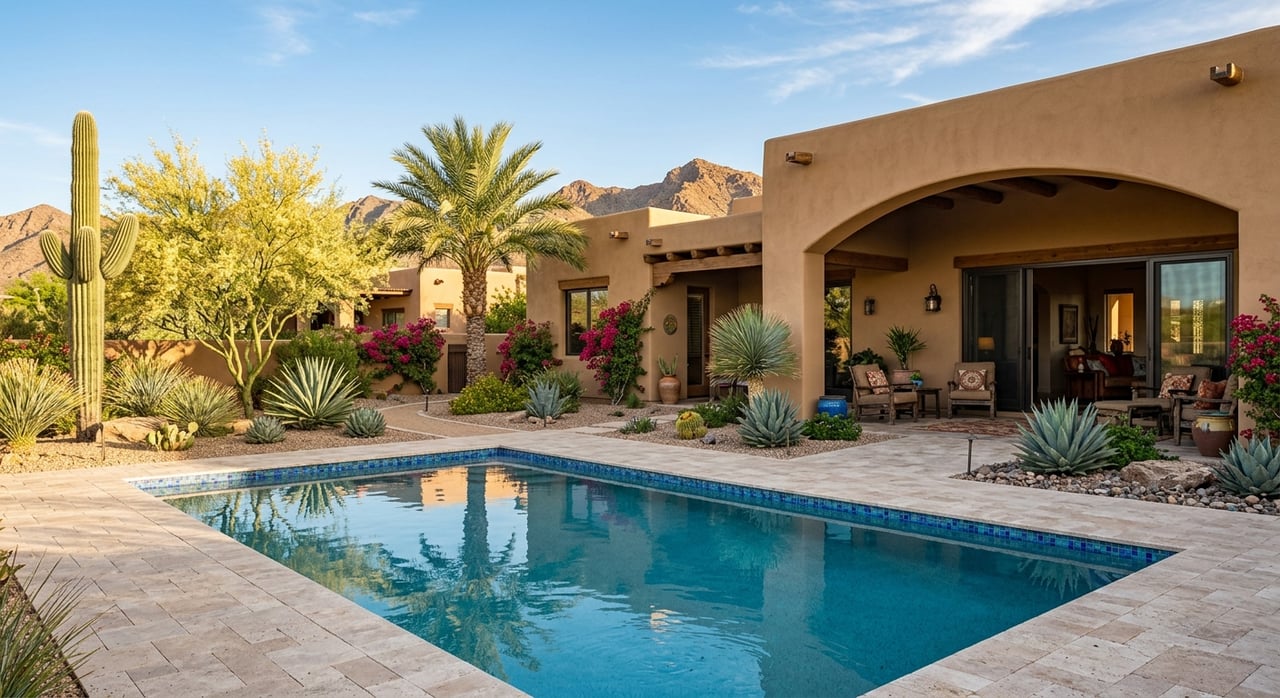
Paradise Valley Resort Style Living for Luxury Buyers
June 4, 2026
June 4, 2026
Looking for a place where luxury living feels more like a private retreat than a busy city address? Paradise Valley stands out for exactly that reason. If you are exploring a move, planning a sale, or simply trying to understand what makes this market so distinct, this guide will help you see how resort-style living and real estate come together here. Let’s dive in.
Paradise Valley is a small town in Maricopa County with about 12,658 residents spread across 15.4 square miles. According to the town’s planning documents, it was intentionally shaped as a premier, low-density residential community with limited commercial development and limited government.
That identity has deep roots. Town history shows Paradise Valley incorporated in 1961 in part to preserve its residential character and maintain a one-house-per-acre minimum. Even today, the town’s planning framework focuses on open space, mountain views, natural features, and dark skies.
For you as a buyer or seller, that matters because the town was not built around density or urban intensity. It was built around space, privacy, and a residential feel that remains central to its long-term appeal.
Paradise Valley is known for luxury, but not in a flashy or crowded way. The town’s basic facts note that it is home to 9 resorts and 3 golf courses, while the General Plan points to fine dining, golf, tennis, spa amenities, and luxury hotel accommodations as part of the local experience.
What makes that especially interesting is how closely those amenities sit alongside residential living. In Paradise Valley, the resort atmosphere is not tucked away in a separate tourism zone. It is woven into the town’s identity.
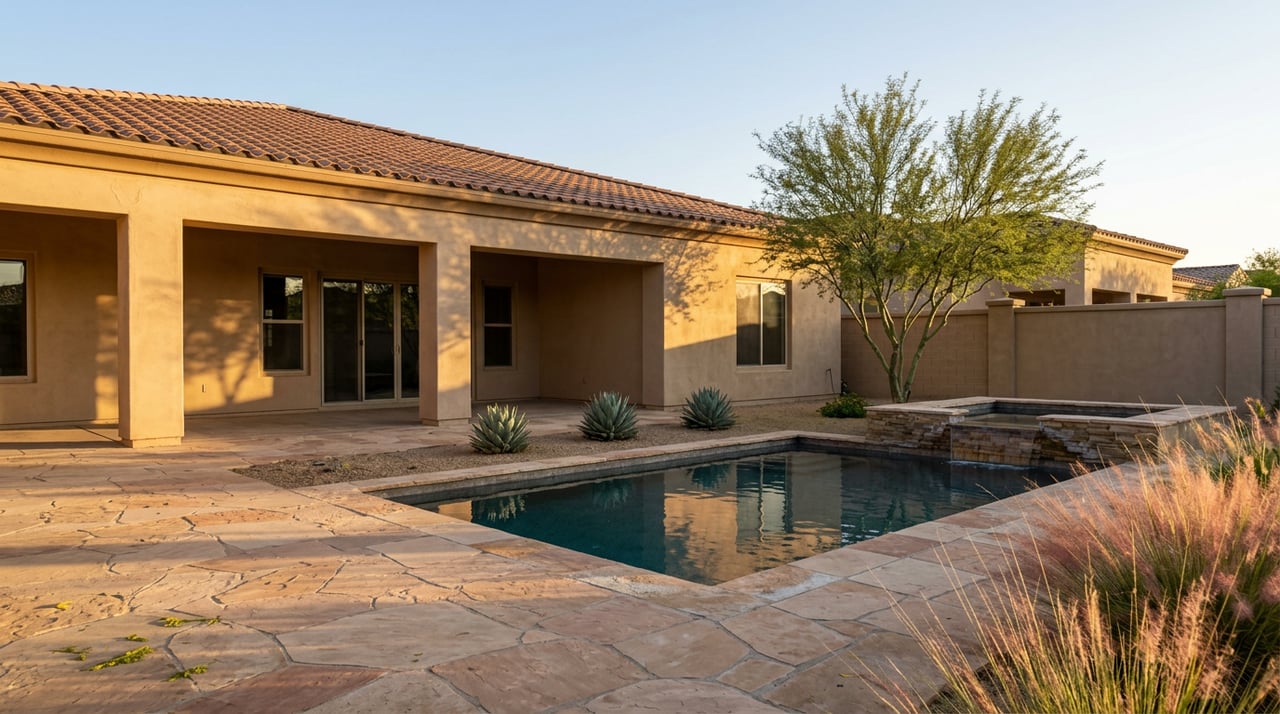
That creates a lifestyle many buyers find hard to duplicate elsewhere. You can enjoy a setting defined by desert beauty, mountain views, golf access, spa culture, and polished hospitality, while still living in a primarily residential town.
Several well-known properties help illustrate the feel of Paradise Valley:
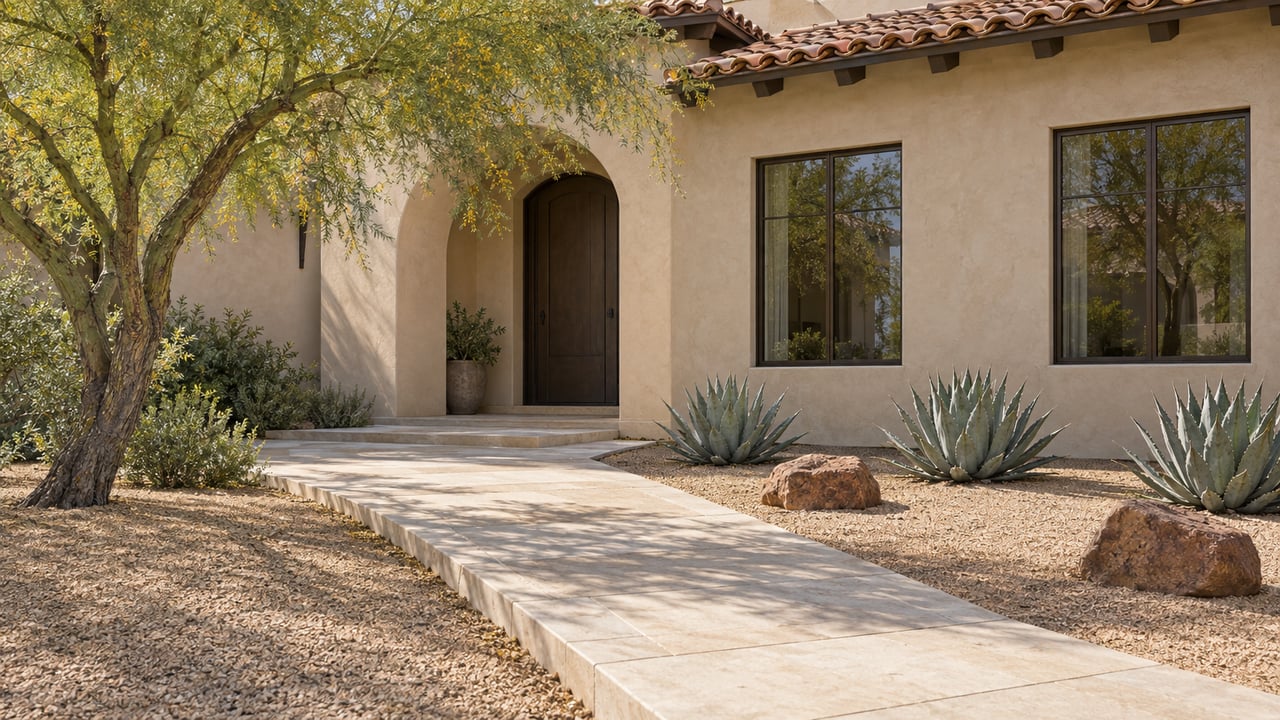
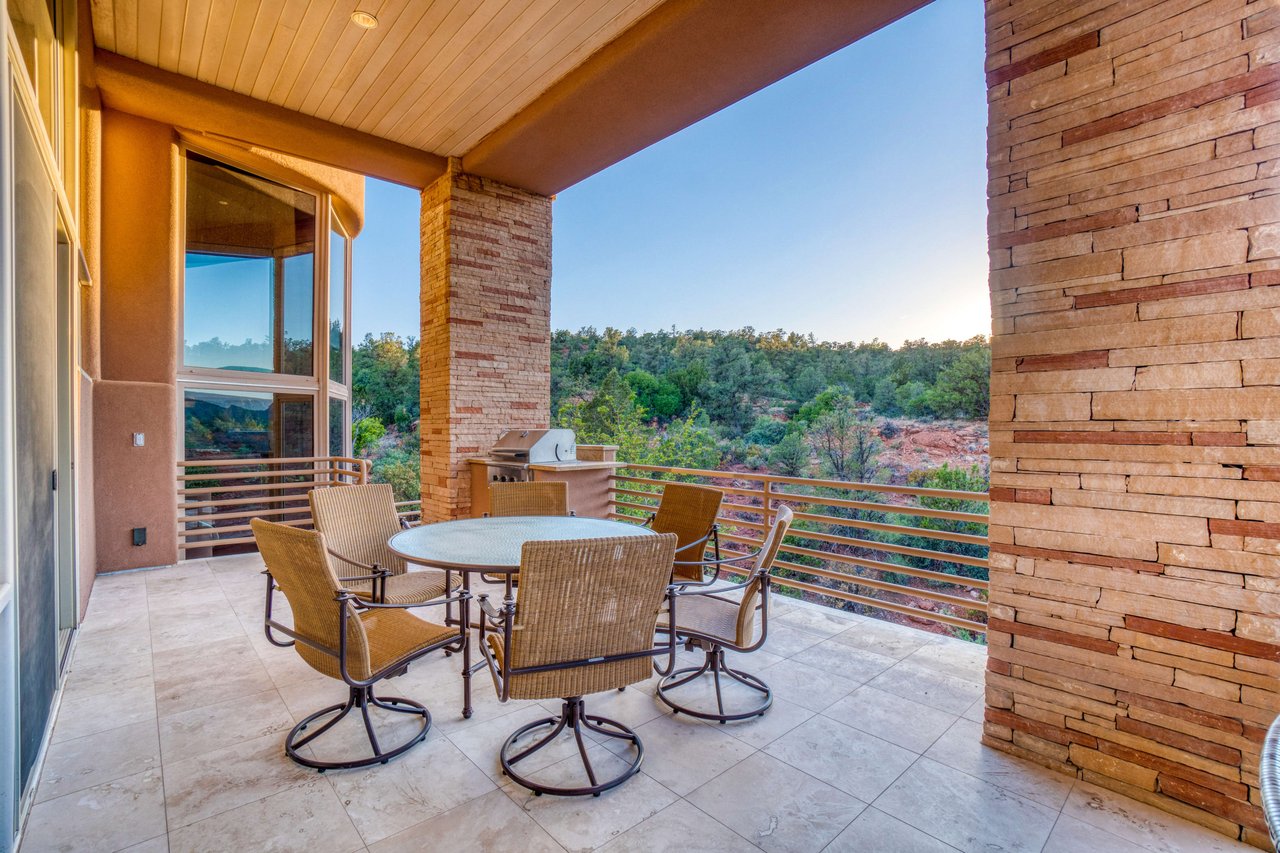
If you are drawn to homes that feel like an extension of that lifestyle, Paradise Valley often delivers. The surrounding real estate tends to reflect the same focus on views, outdoor living, privacy, and design that responds to the desert setting.
Paradise Valley is overwhelmingly a single-family home market. The town’s resident guide says most of the community is zoned R-43, which generally means at least one acre per lot. Nonresidential uses are limited and typically tied to special-use districts such as resorts, churches, schools, medical clinics, and golf courses.
In practical terms, that zoning supports a very different housing experience from what you might find in a more urban or master-planned setting. Homes are typically set on larger parcels with wider setbacks and more separation from neighboring properties.
That often translates to a lifestyle centered on privacy and room to spread out. It also helps explain why Paradise Valley is so closely associated with custom estates rather than standard tract-style housing.
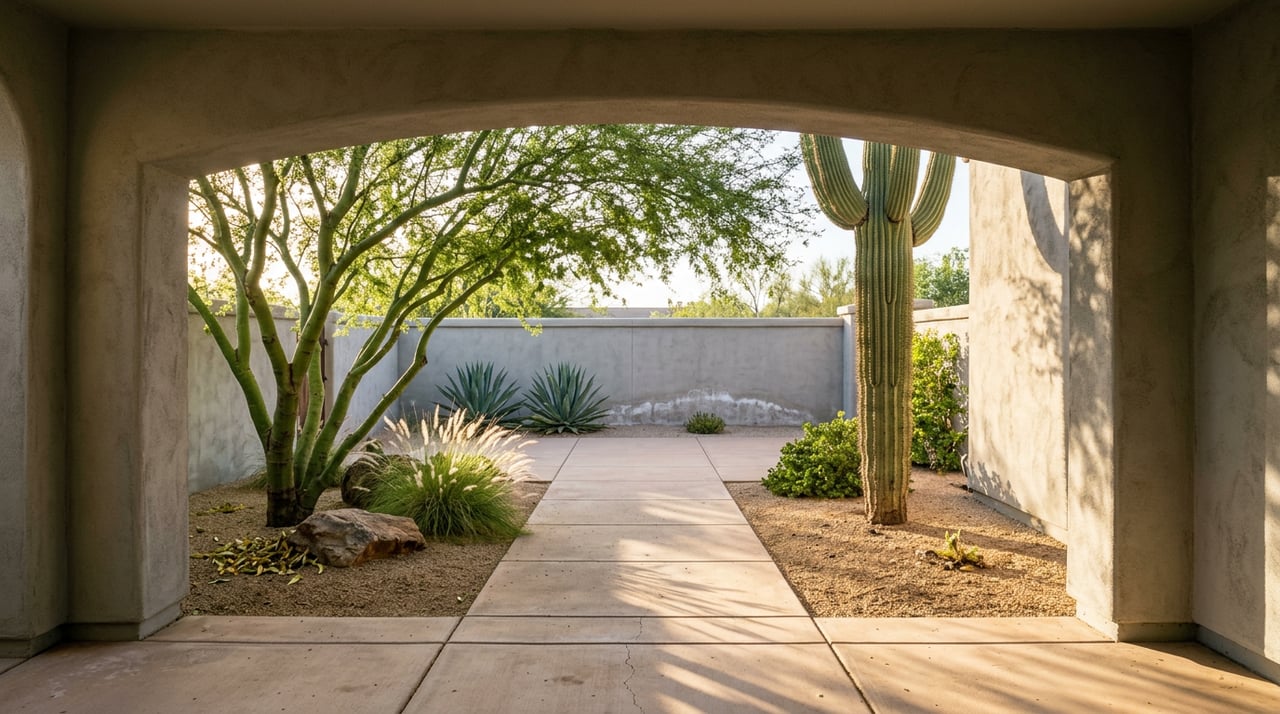
Paradise Valley places strong emphasis on how homes fit the land. The town’s Hillside Building Committee reviews new homes, remodels, additions, pools, solar panels, ramadas, grading, drainage, lighting, materials, and height in hillside areas to help preserve the natural environment.
For you, this means homes in Paradise Valley are often shaped by more deliberate site planning. View protection, lower visual mass, and sensitivity to the landscape are important parts of the local real estate story.
Over time, the housing stock has also evolved. Earlier ranch homes have often given way to larger custom residences, and recent development has included modern and transitional architecture. The result is a market where architecture tends to feel highly individualized, with a strong emphasis on indoor-outdoor living, pools, courtyards, guest space, and view corridors.
Buyers are often drawn to Paradise Valley for a combination of lifestyle and setting. The town offers a quieter, more secluded feel than nearby urban areas, while still placing you close to high-end dining, golf, spa experiences, and desert recreation.
That blend can be especially appealing if you want your home to feel like a retreat. Instead of choosing between residential privacy and resort-style convenience, Paradise Valley often offers both.
Some of the biggest draws include:
For relocators, this can be one of the clearest reasons Paradise Valley stands out. You are not just buying square footage. You are buying a specific pace, look, and experience.
Paradise Valley and Scottsdale are close neighbors, but they offer different living environments. Scottsdale is much larger, with a reported population of 243,050 and 184.5 square miles. The city also describes Old Town Scottsdale as Arizona’s finest urban center, with more than 90 restaurants, 320 retail shops, and more than 80 art galleries.
Paradise Valley, by contrast, is smaller and much more residential in character. That usually means a quieter setting, fewer commercial areas, and a greater sense of seclusion.
If you enjoy urban energy, Scottsdale may offer more of that day-to-day buzz. If you prefer a private desert setting shaped by estate homes, open space, and resort-style amenities, Paradise Valley often feels more aligned.
Market data helps reinforce just how specialized Paradise Valley is. Redfin reports a median sale price of $4.6 million for the three months ending April 2026, with homes selling after about 69 days on market.
That compares with Scottsdale’s median sale price of $969,499 over the same period, with homes selling after about 57 days. Realtor.com’s March 2026 snapshot also placed Paradise Valley’s median listing price around $4.99 million, with 372 homes for sale.
For you, those numbers suggest a smaller, luxury-weighted market where buyers often move with more deliberation. Higher price points and custom homes can lead to longer decision cycles, which makes presentation, pricing strategy, and local market knowledge especially important.
If you are thinking about selling in Paradise Valley, your home is likely competing on more than size alone. Buyers in this market often look closely at setting, architecture, privacy, views, outdoor living, and how well a property captures the resort-style feel the town is known for.
That is why design-forward presentation can matter so much here. Clean staging, thoughtful photography, and a listing strategy that highlights lot quality, mountain context, and indoor-outdoor flow can help your home connect with the right buyer.
In a market where homes may take longer to sell than in neighboring areas, preparation matters. The strongest listings usually tell a clear lifestyle story while also showing the practical value of the property itself.
If you are buying in Paradise Valley, it helps to understand that not every luxury home offers the same experience. Lot size, topography, orientation, privacy, access, and view corridors can all shape how a property lives over time.
You will also want to pay attention to how a home relates to the land and whether any future changes might require town review. In hillside areas especially, site conditions and local review standards can influence renovation plans, additions, and exterior changes.
A curated approach is valuable in this market. Rather than only comparing finishes or square footage, it is smart to evaluate the full lifestyle package a home offers.
Paradise Valley is not a one-size-fits-all market. Its planning framework, low-density zoning, custom housing stock, and luxury price points create a buying and selling environment that rewards local knowledge and careful strategy.
Whether you are relocating, searching for a private estate, or preparing to bring a home to market, it helps to work with a team that understands how to position lifestyle, design, and property value together. In a town defined by nuance, details matter.
If you are considering a move in Paradise Valley or want guidance on how to position your home in this unique market, connect with Inspired Living Real Estate Collective for a concierge, locally informed approach.
Stay up to date on the latest real estate trends.

Less Scrolling, More Living: Finding Gratitude, Contentment & Connection in a Noisy World
10 questions to help you decide if your home still fits your life.
Supporting your real estate goals with comprehensive information and expert advice. We look forward to the opportunity to serve you! Work with the team now!
Get In Touch With Our Team To Learn More
INSPIRED LIVING REAL ESTATE COLLECTIVE
7025 E Via Soleri Dr #125 Scottsdale, AZ 85251