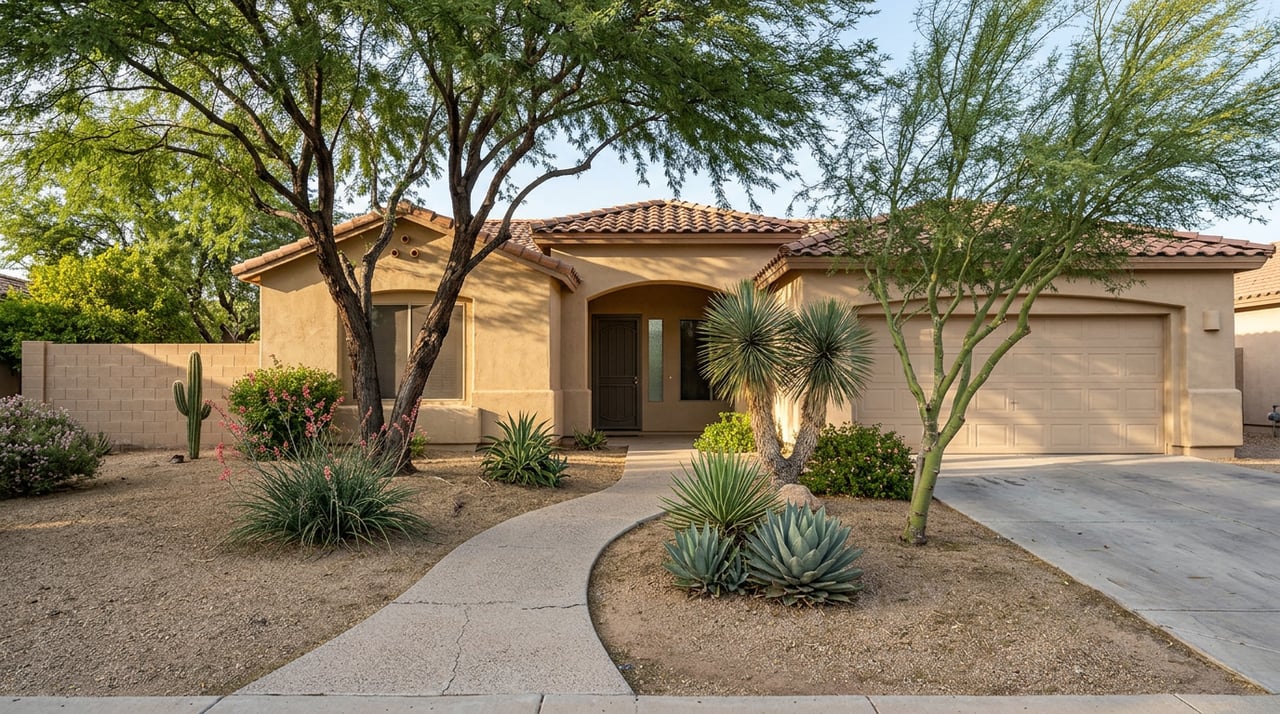
Mesa New Build vs Resale: Comparing Your Best Options
March 24, 2026
March 24, 2026
Torn between the shine of a brand‑new home and the charm of a tree‑lined street? In Mesa, both choices can be smart when you match them to your lifestyle, commute, and long‑term plans. In this guide, you’ll learn how new builds in East Mesa stack up against established neighborhoods on price, HOA and CFD fees, lot size, energy features, commutes, and resale. Let’s dive in.
Mesa’s market sits in the mid‑hundreds of thousands. City snapshots show different medians by provider and date, so use your agent’s MLS pull for the exact number at the time you shop. Recent national snapshots showed Zillow’s city index around $427,000 in late 2025 and Redfin’s sale median near $470,000 in early 2026, while new‑home listings in Mesa often appear in the mid $400,000s. New construction is especially visible in southeast Mesa around Eastmark and the Gateway corridor.
Growth is not uniform. East Mesa’s master‑planned Eastmark offers a large, amenities‑driven community with parks and an evolving town center, which appeals to buyers who want new product and planned conveniences. You also have job growth and travel access around the Phoenix‑Mesa Gateway Airport area, which can shorten commutes if your work is nearby. Central and north Mesa include established communities like Dobson Ranch, Red Mountain Ranch, Las Sendas, and Downtown, where you’ll find mature streetscapes and different commute options.
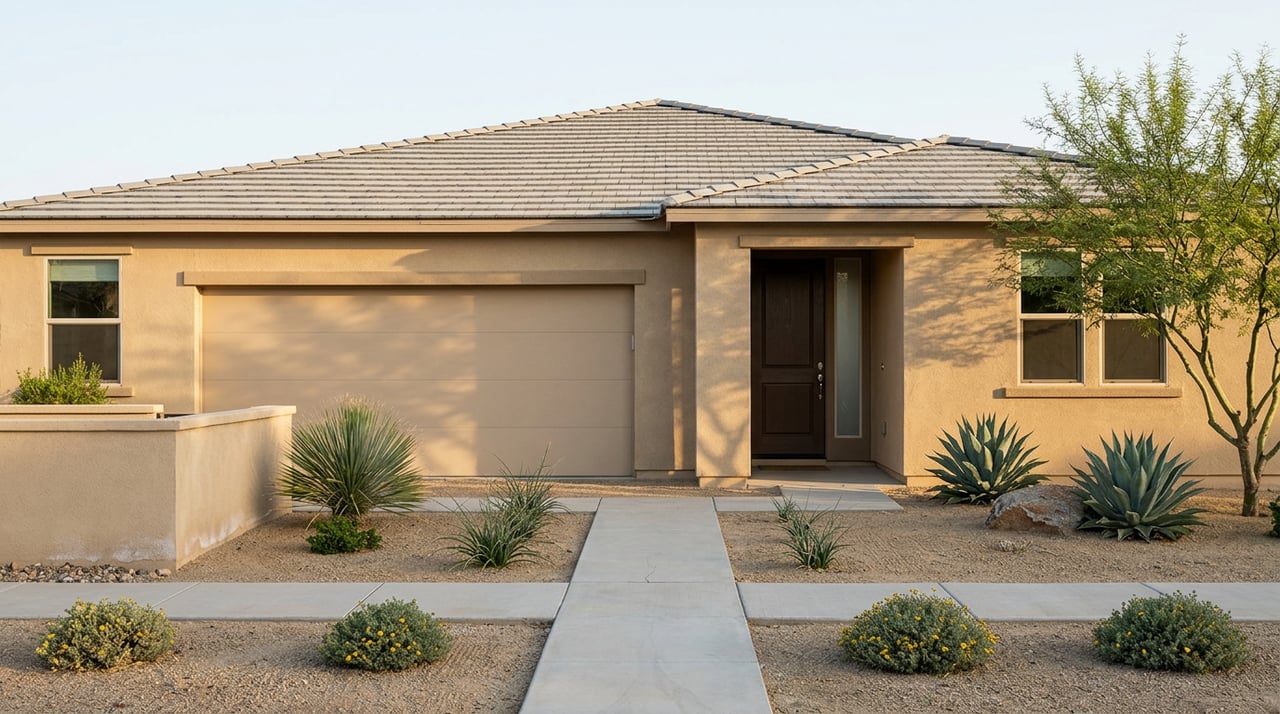
New construction in East Mesa is anchored by large, multi‑builder master plans. At Eastmark, you’ll see an integrated design that includes pocket parks, the Great Park, community gathering spaces, and a developing town‑center concept. Builders release homes in phases, so selection and price points shift as new sections open. Many buyers value the immediate access to community amenities and the cohesive neighborhood feel.
New homes often list near or slightly above the city median because you are paying for a fresh floor plan, modern systems, and builder warranties. That said, attached or smaller‑lot products can be close to established resale prices depending on finishes and incentives. Because builders release inventory in waves, you may have more choices on timing and upgrades, but you should also compare total monthly costs, not just the sticker price.
Most large, newer master plans use layered associations. You might have a master HOA plus a sub‑association that covers shared amenities, events, or area maintenance. Many of these communities are also within Community Facility Districts, which fund infrastructure and appear as special assessments on your property tax bill. Before you commit, check Mesa’s official Community Facility Districts page to understand how assessments work and how they show up on taxes.
Arizona’s association laws also matter. Ask for the HOA budget, reserve study, CC&Rs, any special assessments, and recent meeting minutes. Review owner rights and disclosure rules under Arizona’s Planned Communities and Condominium statutes in Title 33. These items help you forecast true monthly costs and understand governance.
Production lots in newer Mesa sections are often efficient in size, with common frontages and depths that keep yards manageable. In Eastmark tracts, several builders historically purchased 50 by 115 foot and 60 by 120 foot lots, which equates to about 5,700 to 7,200 square feet for many production homes, with some larger parcels in premium sections. You can see examples of those historical lot patterns in this report on builder acquisitions at Eastmark from the Rose Law Group Reporter. New street trees and parks are designed into the plan, but private yard landscaping will take time to mature.
New homes in Mesa typically market higher‑efficiency features such as improved insulation, higher‑SEER HVAC, ENERGY STAR appliances, and EV‑ready wiring. National programs document that certified newer homes can deliver meaningful energy savings when built and verified to program standards. For a measurable comparison on a specific home, ask the builder for the spec sheet, warranty terms, and any third‑party verification like a HERS score or ENERGY STAR certificate. For broader context on how ENERGY STAR homes perform, review the EPA’s overview in this ENERGY STAR resource. You can also confirm which building code edition and local amendments apply to a specific permit through Mesa’s Development Services page on codes and regulations.
Southeast Mesa offers strong access to Loop 202 and a growing employment base near Phoenix‑Mesa Gateway Airport, which can be a major advantage if your work is in the Gateway corridor. East Mesa is not served by light rail, so if you rely on rail or have frequent downtown Phoenix trips, weigh that tradeoff. For transit references, see the current Valley Metro Rail stations list and cross‑check your most common routes during peak hours.
Central and north Mesa neighborhoods like Dobson Ranch, Red Mountain Ranch, Las Sendas, and Downtown offer mature streetscapes and established landscaping. Many single‑family lots in these areas are larger, often in the 0.15 to 0.25 acre range or more in foothill communities, which creates room for outdoor living and shade. For a Mesa‑specific data point, you can explore neighborhood stats such as parcel sizes on resources like Listalysis’s Dobson Ranch page. Mature trees can reduce summer heat load and add privacy, but they also come with irrigation and maintenance considerations.
Established areas have finite inventory. Well‑priced homes often move quickly because buyers value location, larger parcels, and nearby amenities. Factor in near‑term system updates when comparing costs, since older roofs, HVAC units, or pools may need attention that offsets a lower purchase price. Always schedule a thorough home inspection and review maintenance records.
HOA structures in older neighborhoods vary widely. Some areas have active associations with community amenities. Others have minimal rules or are non‑HOA. If there is an HOA, request the governing documents, current budget, reserve study, and any history of special assessments. Understanding these items helps you forecast costs and avoid surprises.
Central and north Mesa provide different access patterns than East Mesa. Downtown and the Main Street corridor offer light‑rail access and walkable cultural venues. Many employment centers are reachable via US‑60, Loop 101, or arterial streets without freeway changes. If you need frequent rail or downtown Phoenix access, these neighborhoods can simplify your routine.
New subdivisions can see slower appreciation in early build‑out years because builders continue releasing inventory. As communities approach completion and add retail and services, values can stabilize and, in some cases, outperform if demand for the amenities remains strong. Eastmark, for example, has reported sustained buyer activity and community recognition as it grew, which you can see in this summary of sales momentum from Eastmark.
Established neighborhoods often benefit from limited supply. When a home is priced well and shows cleanly, it can attract strong interest due to location, lot size, and mature surroundings. Your strategy should align with timing, competing supply, and the specific micro‑market dynamics of the subdivision you are targeting.
Pricing and incentives
Monthly costs
Lot and outdoor living
Energy and performance
Commute and lifestyle
Start with how you live day to day. If you want new systems, a modern floor plan, and a community amenity hub, a new build in East Mesa can be a great fit. If you value larger yards, mature trees, and a central commute pattern with access to rail or established retail, an older neighborhood may serve you better. In either case, focus on total monthly cost, commute time, outdoor space, and timing.
When you are ready to compare homes side by side, lean on a guided process. We can help you model true monthly costs, request and review HOA and CFD documents, verify builder energy packages, and analyze neighborhood‑level comps so you can buy with confidence.
Ready to tour both options and find your best Mesa fit? Connect with the concierge team at Inspired Living Real Estate Collective for a curated list of on‑ and off‑market opportunities and a plan tailored to your goals.
Stay up to date on the latest real estate trends.

How to Get Your Home, Money & Life a Little More Together


Supporting your real estate goals with comprehensive information and expert advice. We look forward to the opportunity to serve you! Work with the team now!
Get In Touch With Our Team To Learn More
INSPIRED LIVING REAL ESTATE COLLECTIVE
7025 E Via Soleri Dr #125 Scottsdale, AZ 85251