Paradise Valley vs Scottsdale Pricing for Luxury Homes
April 2, 2026
April 2, 2026
If you are selling a luxury home in Paradise Valley, it is easy to assume Scottsdale is the closest pricing comparison. On the surface, that makes sense because both markets attract high-end buyers, striking architecture, and strong lifestyle appeal. But when you look closer, the pricing logic is not the same, and that difference can shape your list price, your marketing, and your final outcome. Let’s dive in.
Paradise Valley and Scottsdale both sit at the top of the local housing conversation, but they operate on very different scales. According to Redfin market data for February 2026, Paradise Valley posted a median sale price of $6.2 million, 38 median days on market, and 28 closed sales. In that same period, Scottsdale showed a median sale price of $1.0 million, 56 median days on market, and 486 closed sales.
Those numbers are not luxury-only figures, but they highlight an important point for sellers. Paradise Valley is a far smaller and more concentrated market, while Scottsdale is broader and more segmented. If you price a Paradise Valley property using Scottsdale averages, you can miss the factors that matter most.
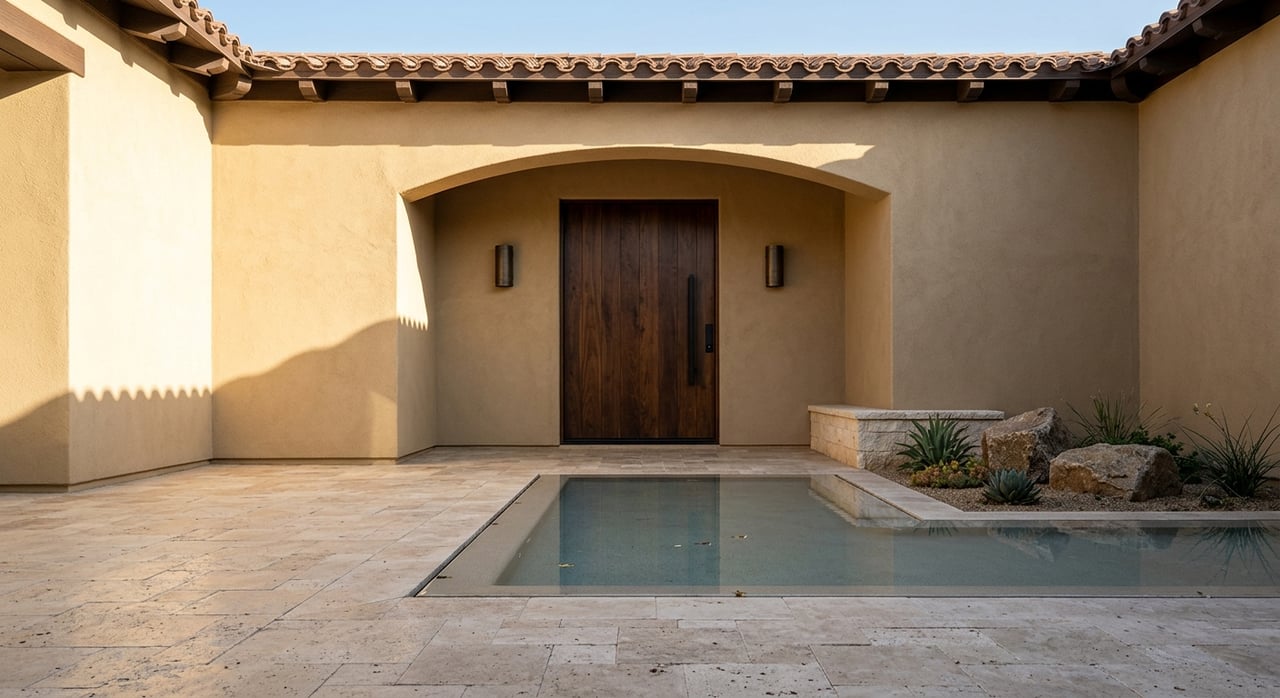
Paradise Valley’s value starts with land, privacy, and setting. The town’s 2022 General Plan describes a primarily low-density, semi-rural residential community with minimum lot sizes of at least one acre, limited commercial use, and a pattern of older homes being remodeled or replaced as the town nears build-out.
That matters because supply is naturally constrained. The same plan notes that 75.94% of the planning area is single-family residential, 10.73% is open space, and only 5.20% is undeveloped. For sellers, that means buyers are often evaluating not just the house itself, but the scarcity of the homesite, the openness around it, and the quality of the views.
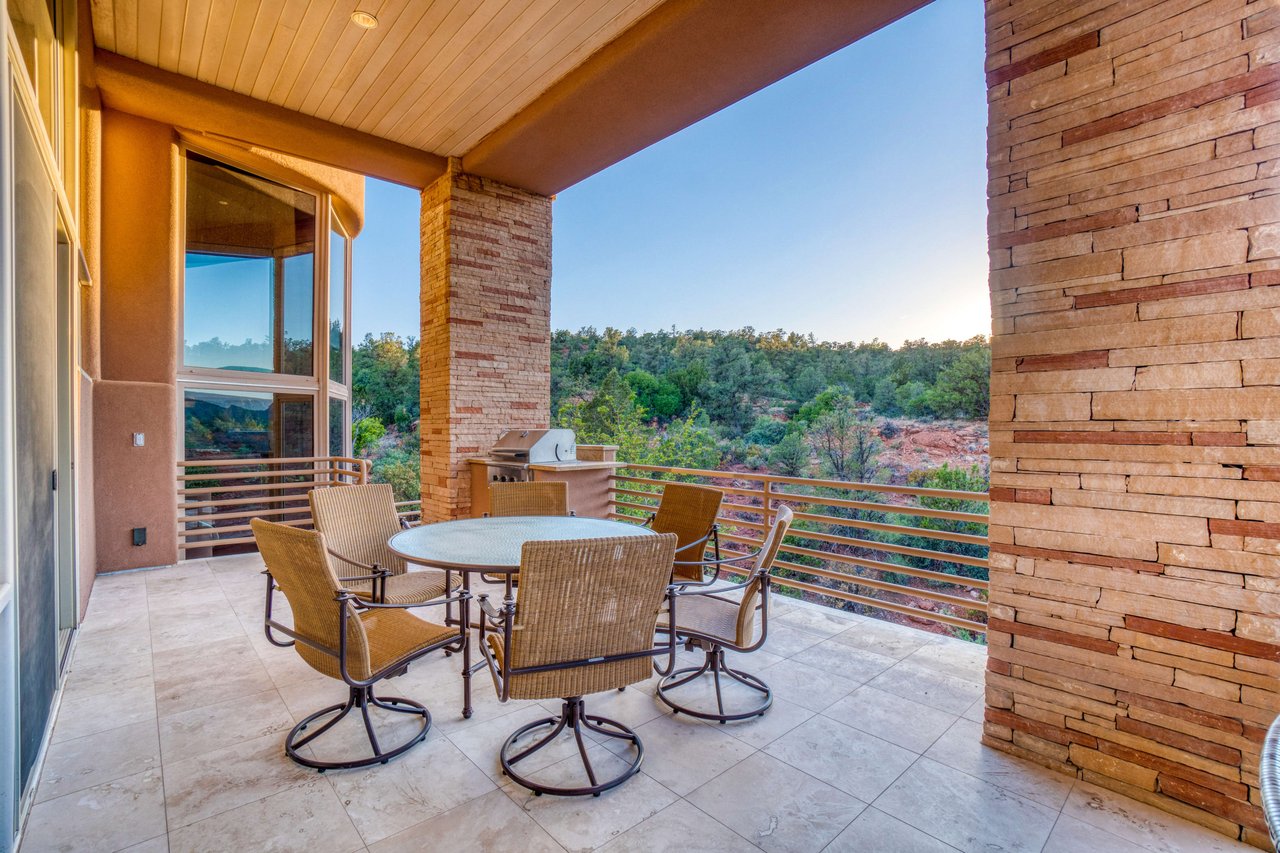
In Paradise Valley, a premium lot can carry major weight in the valuation story. Buyers may be paying for privacy, mountain views, and the long-term rarity of the setting just as much as they are paying for finishes or square footage. That is especially true in a market approaching build-out, where there is limited room for new competing inventory.
The research supports this broader concept. A housing study on green space and home values found that private and public green space can increase prices, and that larger lot sizes are associated with higher values. While that is not a Paradise Valley-specific formula, it helps explain why lot size and openness often play an outsized role here.
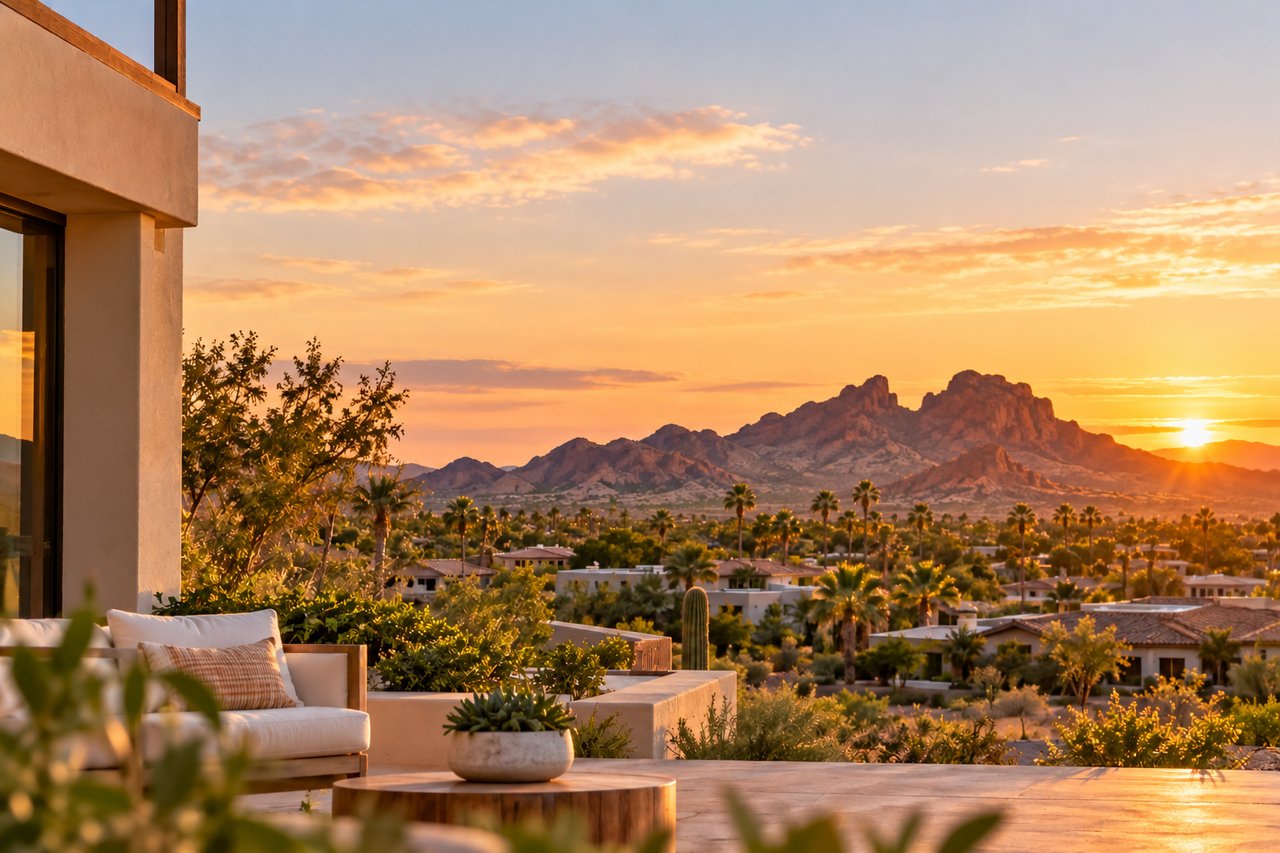
View quality can also influence value. The Appraisal Institute article cited in the research report references earlier findings that a good view can add about an 8% premium. Again, that is not a fixed local rule, but it lines up with how buyers often think about Paradise Valley homes.
You can also see the price jump in the luxury segment itself. In the January 2026 luxury data for Paradise Valley, homes under 4,000 square feet had a median sold price of $2.475 million, while homes measuring 8,000 square feet and above had a median sold price of $9.0 million, based on the local luxury report cited in the research. For sellers, that reinforces how quickly value can rise when estate scale, site quality, and presentation come together.
Scottsdale is also a luxury market, but it is far more varied. The city’s General Plan is shaped by distinct character areas, land use patterns, open space planning, and neighborhood design goals. That creates a market where one address can behave very differently from another, even when both are considered luxury.
This is why citywide averages can be misleading in Scottsdale. A home in one enclave may compete in a completely different buyer pool than a home in another part of the city, even at similar price points.
Redfin’s neighborhood-level data shows how wide the spread can be. In February 2026, Silverleaf’s housing market posted a median sale price of $5.075 million and 86 days on market, while the research report notes DC Ranch at $1.83 million and 72 days on market. That is a major range inside one city.
Scottsdale’s January 2026 luxury report tells a similar story. The single-family luxury market showed a median sold price of $1.866 million, 72 days on market, and a 96.98% sale-to-list ratio, while the 7,500-plus-square-foot segment carried a $7.55 million median sold price and only an 8% sales ratio, according to the Scottsdale luxury report referenced in the research. In simple terms, the very top of Scottsdale can move more slowly and carry more competition.
In Scottsdale, large lots and open space do matter, but often in a more location-specific way. The Cactus Corridor Area Plan describes lot sizes ranging from 35,000 square feet to 2.5 acres, while other areas have very different patterns and priorities. The city’s planning framework also preserves natural open space in certain desert and mountain areas, which means a premium may depend on a very specific hillside, street, or preserve edge rather than on Scottsdale as a whole.
For sellers, that means Scottsdale pricing starts with the submarket. Buyers are often comparing amenity sets, community identity, and exact location context before they compare the broader city.
If your home is in Paradise Valley, your pricing strategy should start inside Paradise Valley. That sounds obvious, but it is where many sellers lose precision. A Scottsdale comp may feel relevant because it looks similar on paper, yet the buyer decision process can be very different.
The safest path is to identify what your property truly represents in the Paradise Valley market. Is it primarily an estate site, a view property, a move-in-ready luxury home, or a redevelopment opportunity on a premium lot? That distinction should shape both pricing and marketing.
Before looking outside town lines, focus on comparable properties with similar traits such as:
That approach reflects the research report’s bottom line: Paradise Valley values land and site first, then structure. If a dated house sits on a strong lot, the value story may be about the parcel more than the finishes.
Luxury buyers are still negotiating. In the Paradise Valley luxury data cited in the research report, the sale-to-list ratio was 94.96%. Scottsdale’s luxury figure was 96.98%. For sellers, that means aspirational pricing can work only when there is clear support for it.
If your home has an exceptional view corridor, rare privacy, or a highly desirable site, that premium needs to be easy for buyers to understand. If the pricing story is fuzzy, buyers may simply wait or push harder in negotiations.
Scottsdale sales can still provide context, but they should not lead the valuation for a Paradise Valley listing. The reason is simple: Scottsdale often prices by enclave and lifestyle fit, while Paradise Valley often prices by estate quality and land scarcity.
A Scottsdale home may offer excellent finishes, strong marketing, and a luxury feel, but if it sits on a smaller lot or in a denser setting, it may not compete the same way with a Paradise Valley property. On the other hand, a top Scottsdale enclave like Silverleaf may overlap at certain price points, but even then, the buyer motivation can differ based on community structure, inventory depth, and site patterns.
Good pricing and good marketing work together. If your home is in Paradise Valley, your marketing should emphasize the features that align with how buyers assign value in that market.
That usually means highlighting:
This is where a concierge approach matters. Strong presentation helps buyers connect the numbers to the experience of the property. Design-forward listing preparation, thoughtful staging, and clear positioning can make the value story easier to see.
When you compare Paradise Valley and Scottsdale, the key takeaway is not that one is better than the other. It is that they reward different pricing logic. Paradise Valley is more land-driven and scarcity-driven. Scottsdale is more submarket-driven and amenity-driven.
If you are preparing to sell in Paradise Valley, your best move is to anchor pricing to the property’s true estate value inside its own market, then support that position with presentation and negotiation strategy. That is how you avoid underpricing a rare homesite or overpricing based on an unlike comparison.
If you want a design-forward, concierge plan for pricing and presenting your Paradise Valley home, connect with Inspired Living Real Estate Collective. You will get thoughtful local guidance, elevated marketing, and a strategy built around how your property truly fits the market.
Stay up to date on the latest real estate trends.


How to Get Your Home, Money & Life a Little More Together
Supporting your real estate goals with comprehensive information and expert advice. We look forward to the opportunity to serve you! Work with the team now!
Get In Touch With Our Team To Learn More
INSPIRED LIVING REAL ESTATE COLLECTIVE
7025 E Via Soleri Dr #125 Scottsdale, AZ 85251