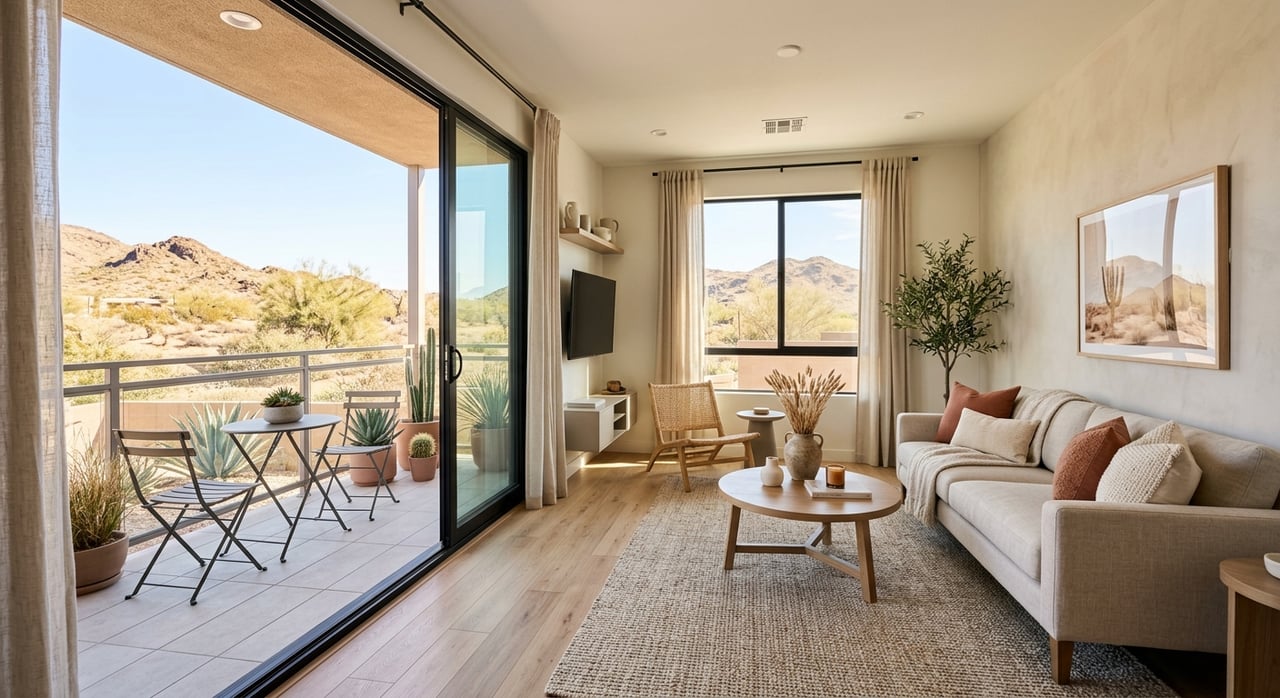
Buying Near ASU In Tempe: A Guide For Parents
May 7, 2026
May 7, 2026
If you are thinking about buying near Arizona State University for your student, you are probably weighing more than convenience. You want a home that works well during college, holds appeal after graduation, and fits a clear long-term plan. In Tempe, that decision can make sense when you focus on location, property type, transit access, and rental rules from the start. Let’s dive in.
Buying near ASU is not just about being close to class. ASU’s Tempe campus reports more than 61,400 students on campus, which creates a large built-in audience for housing near school. That kind of demand can make the area worth a closer look for parents who want both day-to-day convenience and future flexibility.
Tempe also offers demand drivers beyond the university. Tempe Town Lake brings in more than 2.4 million visitors each year, and the city says Mill Avenue supports more than 20,000 jobs plus more than 100 retail shops and restaurants. That broader mix matters because your future buyer or renter may not be connected to ASU at all.
The city’s long-range planning adds another layer to the story. Tempe’s planning documents point to continued investment in streetscapes, bike paths, housing options, and transit connections, while General Plan 2040 anticipates more than 57,000 new residents and nearly 57,200 new jobs by 2040. For you, that suggests this is not only a student housing decision, but also a location decision with long-term relevance.
If your top priority is convenience, this area often rises to the top. Downtown Tempe, Mill Avenue, and the Tempe Town Lake edge are built around dining, events, transit, and easy access to ASU. The city is also refreshing Mill Avenue and planning around the lakefront, which supports the area’s ongoing appeal.
For many parent buyers, condos and townhomes fit this setting well. They are often a practical match for an urban location where shared amenities, walkability, and lower exterior maintenance matter. If you want a lock-and-leave option with strong access to campus and downtown activity, this is a smart place to start.
If you prefer a more traditional residential setting, these close-in neighborhoods may be a better fit. The city describes Maple-Ash as one of Tempe’s oldest intact residential neighborhoods, and University Park and Mitchell Park also reflect older neighborhood patterns near campus. That can appeal to buyers who want something with a more residential feel than the downtown core.
These areas are often worth considering if you want a small single-family home or bungalow-style property. A home like this may offer more flexibility later if your plan is to sell to an owner-occupant after graduation. It can also widen your resale audience beyond buyers who are only focused on student housing.
This corridor is shaped more by redevelopment and transit than by historic character. Tempe is redeveloping city-owned parcels along Apache Boulevard, and the area already benefits from light rail and park-and-ride infrastructure. That makes it especially relevant if transit access is high on your list.
For parents, this part of the market can make sense when future rental demand is a major goal. It is usually less about charm and more about access, density, and long-term urban change. If you are comfortable buying in an area that is still evolving, this corridor is worth watching.
One of the biggest mistakes parents make is buying only for the next four years. A better approach is to decide early what you may want to do with the property after graduation. That exit strategy should shape the type of home you buy now.
As a rule of thumb, condos and townhomes near downtown, the lake, and transit routes are often the lower-maintenance choice. Small single-family homes in close-in neighborhoods may offer broader resale appeal later, especially if you want the option to market to owner-occupants. Neither path is automatically better. The right fit depends on how you want to balance convenience, upkeep, and flexibility.
In Tempe, transportation can be a major part of the value story. The city says it has 13 bus routes, two express routes, one free Flash route, six Orbit neighborhood circulators, nine light-rail stops in Tempe, and a 3.1-mile streetcar with 14 stops. The streetcar connects downtown Tempe, ASU, Tempe Marketplace, and the Smith Industrial Innovation Hub.
That kind of network can make everyday life much easier for a student. A property with a simple path to campus, downtown, or the lake may reduce the need for a car and make daily routines more manageable. It can also help when you later explain the home’s value to a future buyer or long-term tenant.
Tempe’s bike and pedestrian setup adds even more appeal. The city calls itself a Gold-Level Bicycle Friendly Community with more than 220 miles of bikeways, and Tempe Town Lake includes 2.5 miles of concrete paths open daily from 5 a.m. to midnight. Most residents are also within one-half mile of one of the city’s more than 50 neighborhood and community parks.
When you tour homes, it helps to think beyond the front door. Pay attention to how easy it is to get to campus, transit stops, daily errands, and recreation without relying on a car for every trip. In a market like Tempe, that convenience can support both quality of life and future resale appeal.
This is one of the most important parts of the process. If there is any chance you may keep the property after graduation, you need to understand both city rules and HOA rules before closing. A home can look perfect on paper and still fail your long-term plan if the governing documents do not allow the use you want.
Tempe has clear rules for short-term rentals. If a property is rented for 29 days or less, the city requires a Short-Term Rental License, and the annual fee is $250 per property or unit. Owners also need a Transaction Privilege Tax license, must register with the Maricopa County Assessor, display the local license number, notify nearby neighbors, maintain at least $500,000 in liability insurance or equivalent coverage, and conduct a sex-offender background check.
The city also warns that failure to obtain or renew the license can lead to penalties of up to $1,000 per month. By contrast, leases of 30 days or longer do not need the city’s short-term rental license. For many parent buyers, that makes a long-term rental strategy much more straightforward.
If you are buying in an HOA, Arizona law adds another layer. In condo and planned community statutes, an owner may rent unless the declaration prohibits rentals, and the owner must follow any rental time-period restrictions in the declaration. That means the key question is not simply whether rentals are allowed in general, but whether the specific community’s documents match your intended use.
The resale disclosure packet matters here. Before you close, review the declaration, bylaws, rules, and assessment information carefully. This step can help you avoid surprises about lease terms, rental caps, or other restrictions that could affect your plans later.
The strongest parent purchases usually start with a clear exit plan. In Tempe, that often means choosing among three practical paths: keep the home as a long-term rental, sell to another parent or owner-occupant, or sell if the HOA rules make holding the property less workable. Thinking through those options in advance can make your decision much easier.
A long-term rental is often the cleanest option because leases longer than 30 days sit outside Tempe’s short-term rental licensing rules. If you want to avoid extra licensing, tax, insurance, and notice requirements, this path may offer the simplest structure. It is especially appealing when the property is close to campus and transit.
If resale flexibility is your top priority, broad appeal should guide your search. A well-run condo in the downtown, lake, and transit core may attract future buyers who value convenience and lower maintenance. A small single-family home in a close-in neighborhood may appeal to buyers looking for a more traditional residential setup.
The common thread is flexibility. The best parent-buyer strategy near ASU is often a lower-maintenance home within the campus, downtown, and lake transit shed that also works under the HOA’s rental rules. That combination can serve your student now while giving you more than one reasonable option later.
Before you make an offer, keep these points in mind:
A parent purchase near ASU can be a thoughtful move when you stay focused on the bigger picture. You are not just buying a place for your student to live. You are choosing a location, a property type, and a future set of options that should all work together.
If you want a concierge approach to evaluating Tempe homes near ASU, from downtown condos to close-in residential options, Inspired Living Real Estate Collective can help you narrow the choices and build a smart plan around your goals.
Stay up to date on the latest real estate trends.

Less Scrolling, More Living: Finding Gratitude, Contentment & Connection in a Noisy World

10 questions to help you decide if your home still fits your life.


Supporting your real estate goals with comprehensive information and expert advice. We look forward to the opportunity to serve you! Work with the team now!
Get In Touch With Our Team To Learn More
INSPIRED LIVING REAL ESTATE COLLECTIVE
7025 E Via Soleri Dr #125 Scottsdale, AZ 85251