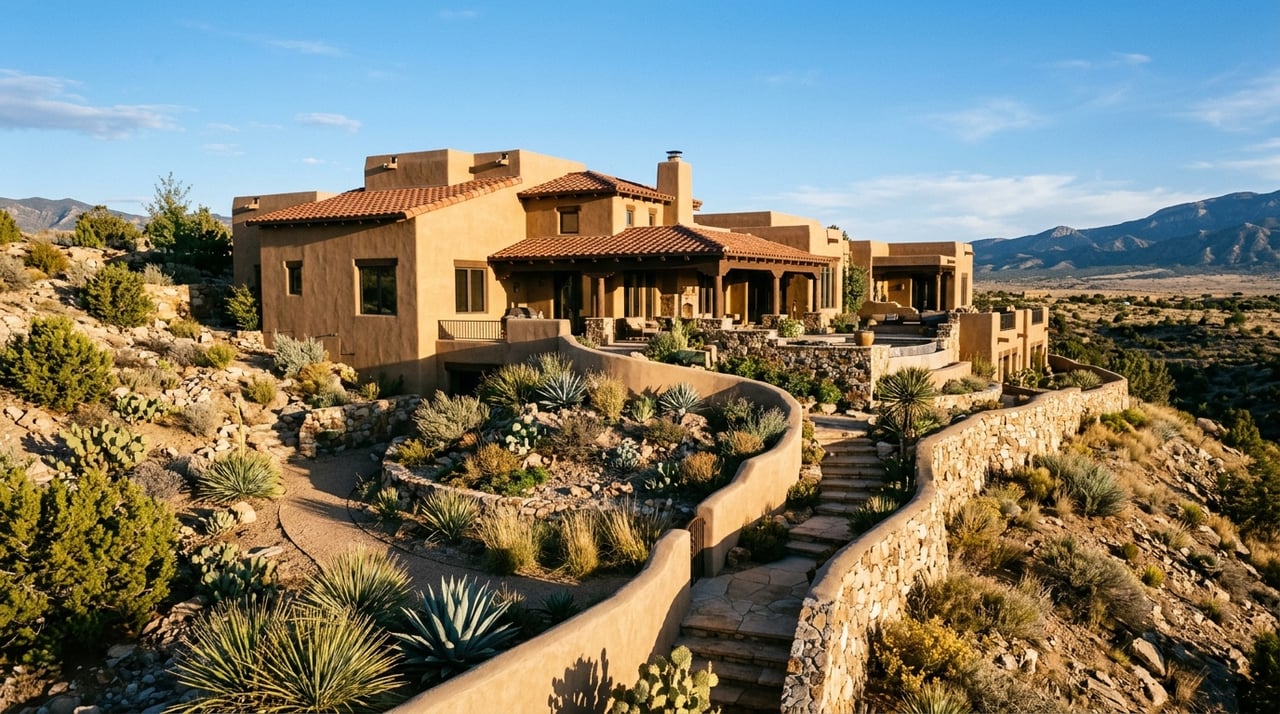
Buying A View Or Hillside Home In Fountain Hills
April 16, 2026
April 16, 2026
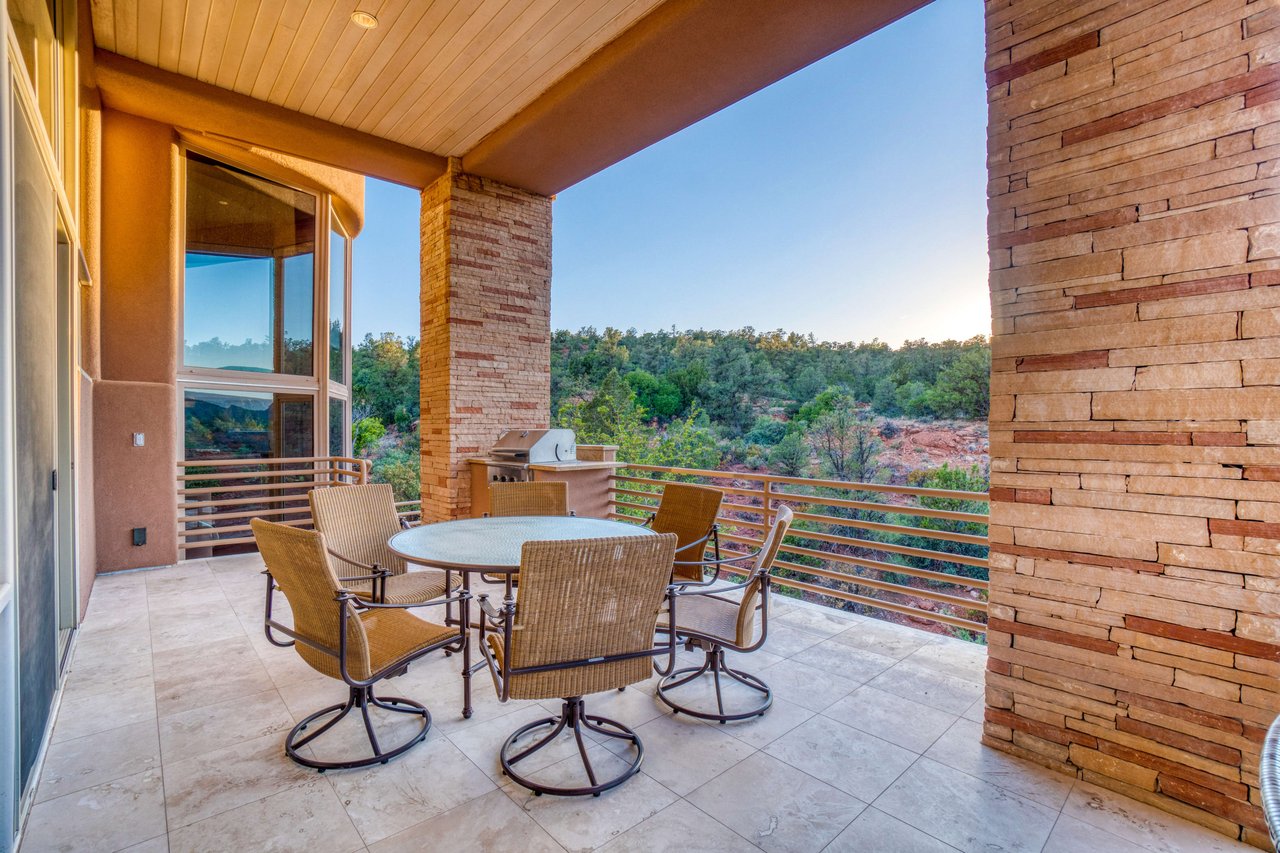
If you are buying a home in Fountain Hills, the view can be just as important as the floor plan. In this market, you are often choosing a sightline, a slope, and a long-term ownership experience all at once. The right hillside or view property can deliver mountain backdrops, open desert, city-light views, and dark-sky nights, but it also calls for smart due diligence. Let’s dive in.
Fountain Hills has a setting that naturally puts views at the center of the buying decision. According to the Town of Fountain Hills community profile, the town sits at the foothills of the McDowell Mountains, with elevations ranging from about 1,520 feet near the fountain to 3,000 feet on Golden Eagle Boulevard.
That elevation change shapes how homes sit on the land and what they overlook. The same town materials also highlight the McDowell and Four Peaks mountain backdrops, plus an 824-acre preserve connected to 52,000 acres of contiguous Sonoran Desert. In practical terms, that means many buyers are shopping for both a home and a visual experience.
Fountain Hills planning documents also describe the town as a place known for scenic views, dark skies, and a distinct desert setting. The town’s general plan policy document notes that preserve work is intended to protect and improve mountain views through revegetation. That helps explain why lot position and open-space adjacency can carry so much weight here.
Not all views are valued the same. Research on real estate pricing shows that views are treated as a location amenity, and the premium can vary widely depending on what you see and how broad or permanent that view is. A hedonic pricing study found that greater view extent can raise sale prices, while visually mixed views do not always add value in the same way.
In Fountain Hills, that means you should look beyond the words “has a view” in a listing. A wide mountain panorama, a valley outlook, or a lot that backs open space may be very different from a partial or filtered view between rooftops. Future obstruction risk matters too, especially on lots where nearby land could still be built on.
A town strategic-position report also described mountain views to the north and east, with broad cityscapes to the south and west. You can see that context in the town meeting materials. For you as a buyer, orientation can affect not only what you see, but also how the home feels throughout the day.
Compass direction is easy to overlook when you fall in love with a dramatic view. Still, in a desert market like Fountain Hills, orientation can affect sunlight, heat, comfort, and how often you actually use your patio or windows.
The town’s general plan references passive-solar orientation as part of site design. Combined with the local topography, that suggests a simple truth: two homes with similar square footage and similar list prices may feel very different depending on where they face. A view lot that captures mountains and offers more comfortable outdoor use can have a very different day-to-day experience than one that gets intense sun exposure during peak afternoon hours.
When you purchase a hillside property, you are not only buying the structure. You are also buying the slope conditions, grading decisions, drainage path, and landscape stability that come with it.
Fountain Hills has clear hillside rules. The town’s current hillside code defines hillside areas as slopes of 20% or more and requires topographic contour maps stamped by an Arizona-registered land surveyor. It also requires disturbance areas to be marked before work begins.
The town’s subdivision ordinance adds more detail. Slopes under 20% are generally unlimited for disturbance, while slopes of 20% or more are limited to 40% disturbance. The ordinance also requires slope stabilization, revegetation and irrigation of disturbed areas before final approval, along with documentation if work takes place within protected areas.
For you, the takeaway is simple: hillside conditions are governed carefully for a reason. The land itself is part of the property’s performance, appearance, and long-term maintenance profile.
One of the most important parts of buying a hillside home is understanding how the site handles water and grade changes. Retaining walls may look like a standard landscape feature, but on a sloped lot they can be central to the property’s function.
The town ordinance recommends buffers of five feet from the face of a retaining wall that supports a fill slope, and one foot from the daylighted top of a cut slope or the footing of a retaining wall that supports a cut slope. Those are technical details, but they point to a practical buyer move: ask for the survey, grading plan, retaining-wall permits, any geotechnical report, and records of drainage or slope repairs.
The University of Arizona Cooperative Extension also notes that compacted soils, bedrock, caliche, or clay can create drainage issues. On a hillside lot, those conditions are not minor details. They can affect erosion, runoff, planting success, and how the property performs during storms.
In Fountain Hills, landscaping is not just about curb appeal. On a hillside lot, planting choices can help control erosion, support drainage, and protect the look of the property over time.
Arizona Cooperative Extension advises that slope plantings should use dense groundcovers with fibrous roots to help limit erosion. Its fire-resistant landscaping guidance also notes that retaining walls and walkways can improve access and help slow fire spread. That makes landscape design part of both upkeep and risk management.
The town’s planning documents also connect revegetation with preserving mountain views. In other words, good landscaping can help a property stay functional while also protecting the visual quality that likely drew you to the home in the first place.
Before you assume you can update a patio wall, change lighting, or rework exterior features, look closely at the approval layers that may apply. In Fountain Hills, exterior changes on an elevated lot can involve more than one set of rules.
The town has a recognized design-review framework for single-family tract housing, and Chapter 19 of the zoning ordinance establishes architectural review guidelines for development subject to design review. The town has also adopted 2024 building codes effective September 1, 2025. Depending on the property, you may need town approval, neighborhood review, HOA approval, or a combination.
This matters even more on prominent lots where walls, grading, lighting, and roofline changes can affect neighboring sightlines. If you are buying with renovation plans in mind, reviewing these rules early can save time and frustration later.
A Fountain Hills view is not only about daytime scenery. The town is also a dark-sky community, and that can shape how a hillside home feels after sunset.
According to Experience Fountain Hills, local lighting rules were updated to preserve the night sky. For buyers, that means exterior lighting choices such as landscape uplighting, wall washing, or bright fixtures may come with compliance expectations.
That is often a plus for people who value a calmer nighttime environment. It also reinforces the idea that a view home here is a lifestyle purchase tied to mountain scenery, open desert, and the quality of the night sky.
Privacy on a hillside property is not just about acreage. It often comes down to elevation, lot placement, and whether the home backs open space or faces future buildable land.
A lot above neighboring rooflines may feel more private than a similar lot lower on the street. A home next to preserved land may also feel more open and protected than one with vacant pads nearby that could eventually change your outlook. In Fountain Hills, where terrain varies significantly, those differences can have a major impact on how the property lives.
When you tour homes, take time to study neighboring lots and undeveloped parcels. The best view today is not always the most secure view tomorrow.
If you are serious about buying a Fountain Hills hillside or view property, keep your due diligence focused on the details that affect long-term enjoyment.
Here is a practical checklist:
Fountain Hills stands out because it combines elevation changes, preserve land, dark-sky protection, and a compact master-planned layout. The result is a market where lot position, orientation, and view permanence can matter as much as square footage.
If you want a home that delivers a true desert-lifestyle experience, this town offers a compelling mix of mountain scenery, open-space edges, and elevated homesites. The key is to buy with clear eyes. A beautiful view can be a major asset, but the best purchase is one where the home, the lot, and the ownership responsibilities all align.
If you are weighing view lots, hillside homes, or off-market opportunities in Fountain Hills, Inspired Living Real Estate Collective can help you take a concierge approach to the search and evaluate the details that matter before you buy.
Stay up to date on the latest real estate trends.


How to Get Your Home, Money & Life a Little More Together
Supporting your real estate goals with comprehensive information and expert advice. We look forward to the opportunity to serve you! Work with the team now!
Get In Touch With Our Team To Learn More
INSPIRED LIVING REAL ESTATE COLLECTIVE
7025 E Via Soleri Dr #125 Scottsdale, AZ 85251