Sustainable Living in Phoenix and Scottsdale: What to Know
March 24, 2026
March 24, 2026
In Arizona, living sustainably isn’t just a trend, it’s a practical way to protect our environment while reducing the long-term cost of homeownership. With abundant sunshine, increasing water conservation needs, and rising energy costs, eco-friendly homes are becoming more desirable to buyers across Phoenix and Scottsdale.
But as with many home improvements, not every “green” upgrade adds value equally and some can even complicate a future home sale if they’re not done thoughtfully.
If you’re considering making your home more sustainable, or if you’re shopping for a home with eco-friendly features, here are some important things to know before diving in.

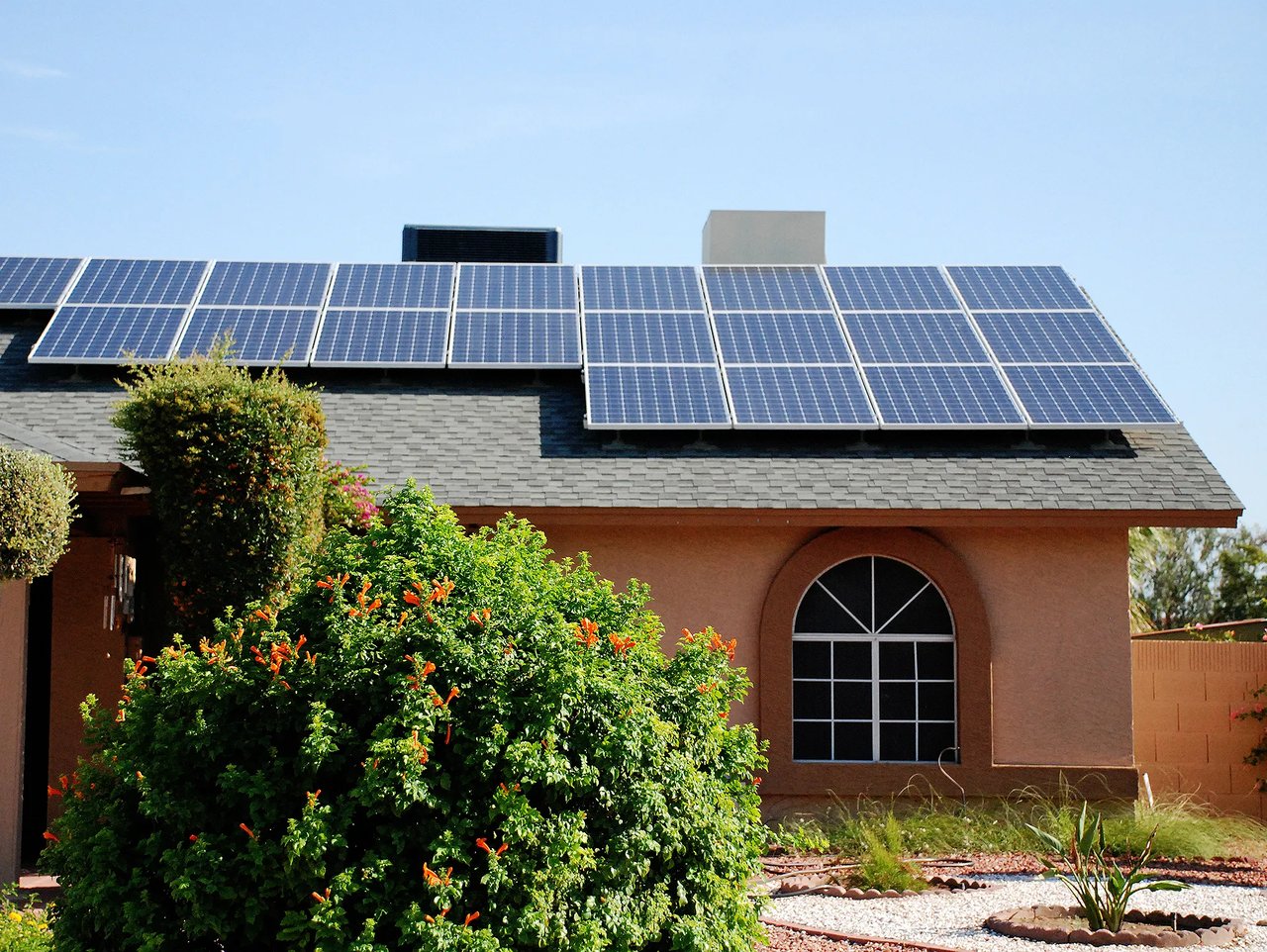
With more than 300 days of sunshine each year, solar energy in Arizona makes a lot of sense. When installed and structured correctly, solar can significantly reduce electricity costs and increase long-term home efficiency.
However, not all solar systems are created equal—and this is where many homeowners run into trouble when it comes time to sell.
The Three Most Common Solar Structures
1. Owned Solar Systems (Most Desirable)
This is typically the best option for homeowners and buyers. The panels are purchased outright (either paid in cash or financed with a loan).
Benefits include:
-Higher buyer appeal
-Easier resale process
-Potential increase in home value
-Ability to qualify for federal tax credits
2. Solar Loans
Solar loans can still work well, particularly when the loan balance is paid off at closing or structured so that the buyer can easily assume the payments.
However, the details matter. Buyers and lenders will review:
-Remaining loan balance
-Interest rate
-Monthly payment
-Transferability
If the payment outweighs the energy savings, it can create hesitation for buyers.
3. Solar Leases or Power Purchase Agreements (PPAs)
This is where many resale challenges arise.
Under these agreements, the homeowner does not own the panels. Instead, they lease them or agree to purchase electricity from the solar company at a predetermined rate.
While these arrangements were heavily marketed several years ago, they can create complications during a home sale because:
-Buyers must qualify to assume the lease
-Buyers may not want the obligation
-Monthly payments sometimes escalate annually
-The solar company often holds rights to the equipment
-Roof work or panel removal can become complicated
In today’s market, I frequently see solar leases become a negotiation point or even a hurdle during escrow.
If you’re considering solar, take the time to review the fine print. Some important questions include:
•Do you own the panels or are they leased?
• Is there an escalator clause increasing payments annually?
• What happens if you sell your home?
• Is there a lien or UCC filing against the property?
• Who is responsible for maintenance or roof repairs?
Solar can absolutely be a smart investment, but the structure of the agreement matters tremendously when it comes time to sell.

Another growing trend is the concept of solar-ready homes.
These homes are designed with solar in mind but may not have panels installed yet. Features might include:
-Pre-installed conduit for solar wiring
-Electrical panel capacity for solar systems
-Roof orientation optimized for solar efficiency
-Energy-efficient construction
Many buyers actually prefer this approach because it allows them to install solar later without inheriting someone else’s contract or system design.
Water conservation is becoming one of the most important sustainability topics in Arizona.
Homes that incorporate water-efficient landscaping are increasingly appealing to buyers, especially as awareness around drought conditions grows.
Features that buyers appreciate include:
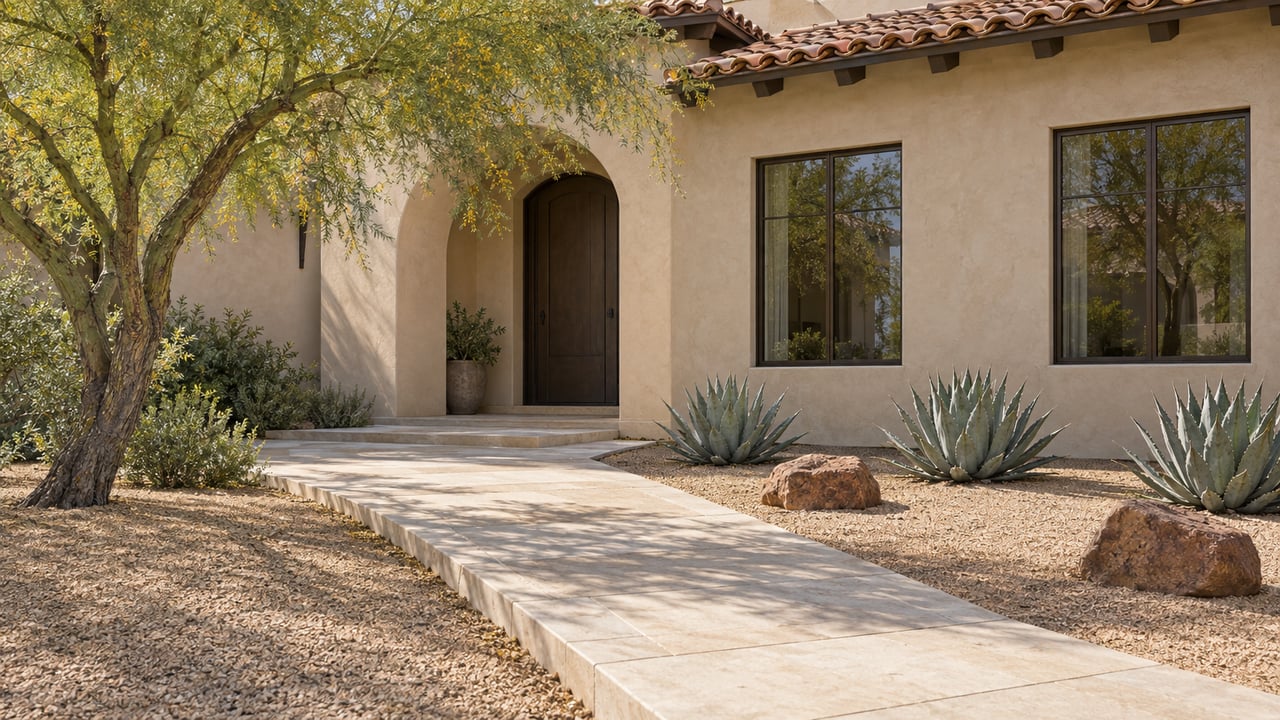
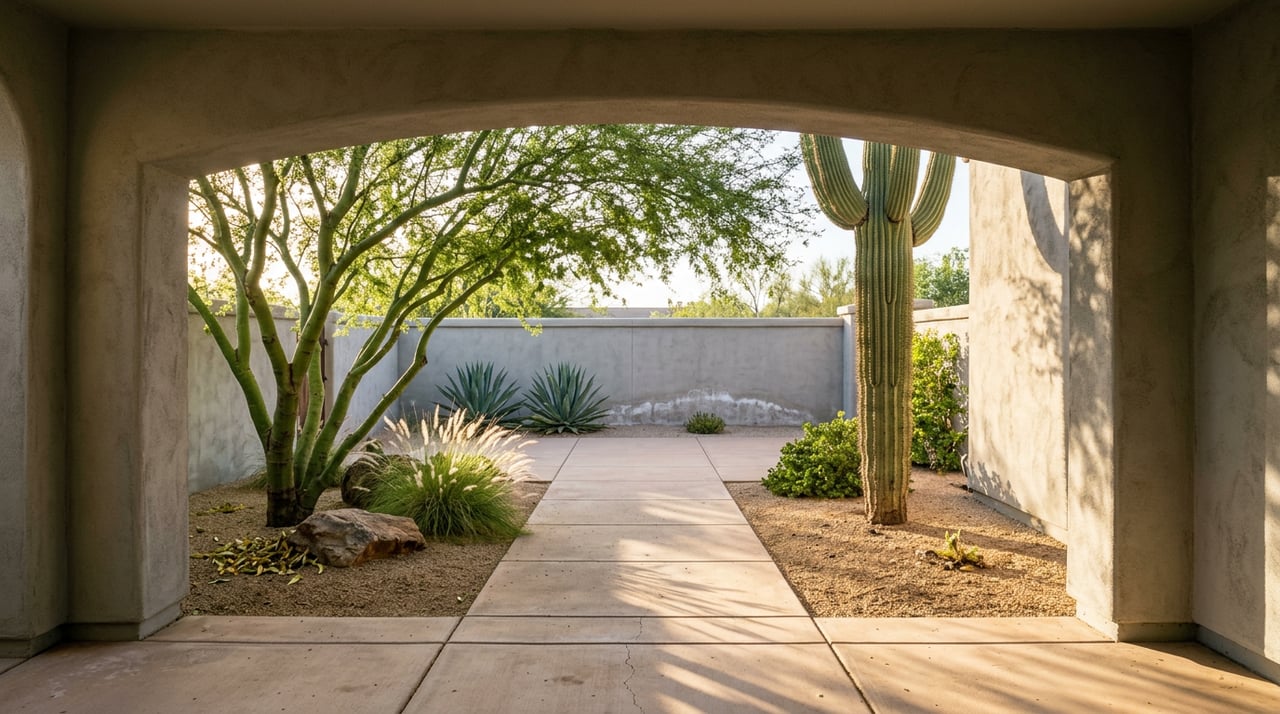
-Xeriscaping with native desert plants
-Drip irrigation systems
-Smart irrigation controllers
-Rainwater harvesting systems
-Low-water turf alternatives
Thoughtfully designed desert landscaping can reduce water usage while still creating beautiful outdoor spaces that complement the natural environment.
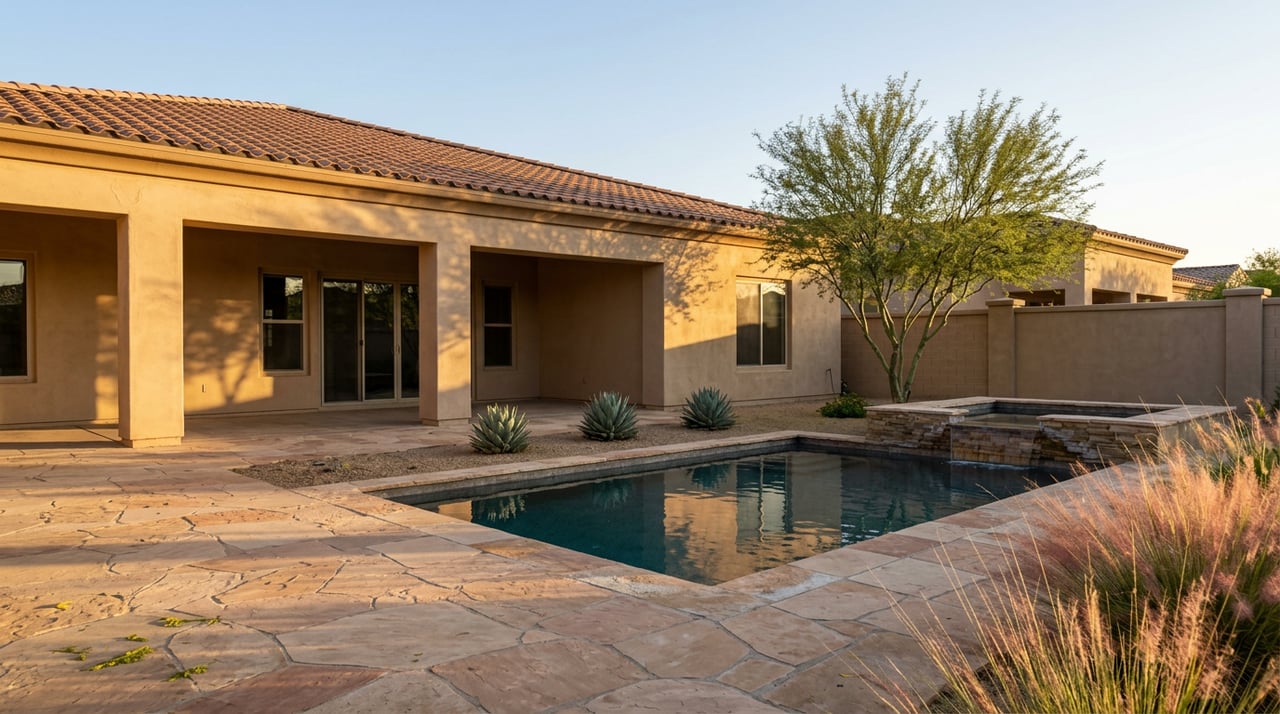
Even sustainable water features, when designed efficiently can add aesthetic value while using far less water than traditional lawns.

Not every sustainable upgrade requires a major investment. Some of the most appealing eco-friendly improvements are surprisingly simple.
Popular green upgrades include:
Energy-efficient windows
Arizona’s intense sun can dramatically increase cooling costs. High-efficiency windows reduce heat gain and improve comfort.
Improved insulation
Many older Phoenix homes lack adequate attic insulation, making this one of the most cost-effective upgrades available.
LED lighting throughout the home
Lower energy usage with longer lifespans.
Energy-efficient HVAC systems
Modern heat pumps and high-efficiency AC units are very attractive to buyers in our desert climate.
Induction cooktops and efficient appliances
These upgrades reduce energy consumption while modernizing the kitchen.
Net-zero homes are designed to produce as much energy as they consume annually. While still relatively rare, they are becoming more common in new construction communities across Arizona.
These homes typically combine:
-High-efficiency building materials
-Solar energy systems
-Advanced insulation
-Smart climate control systems
-Energy-efficient appliances
For buyers focused on sustainability and long-term savings, net-zero homes represent the future of residential design.
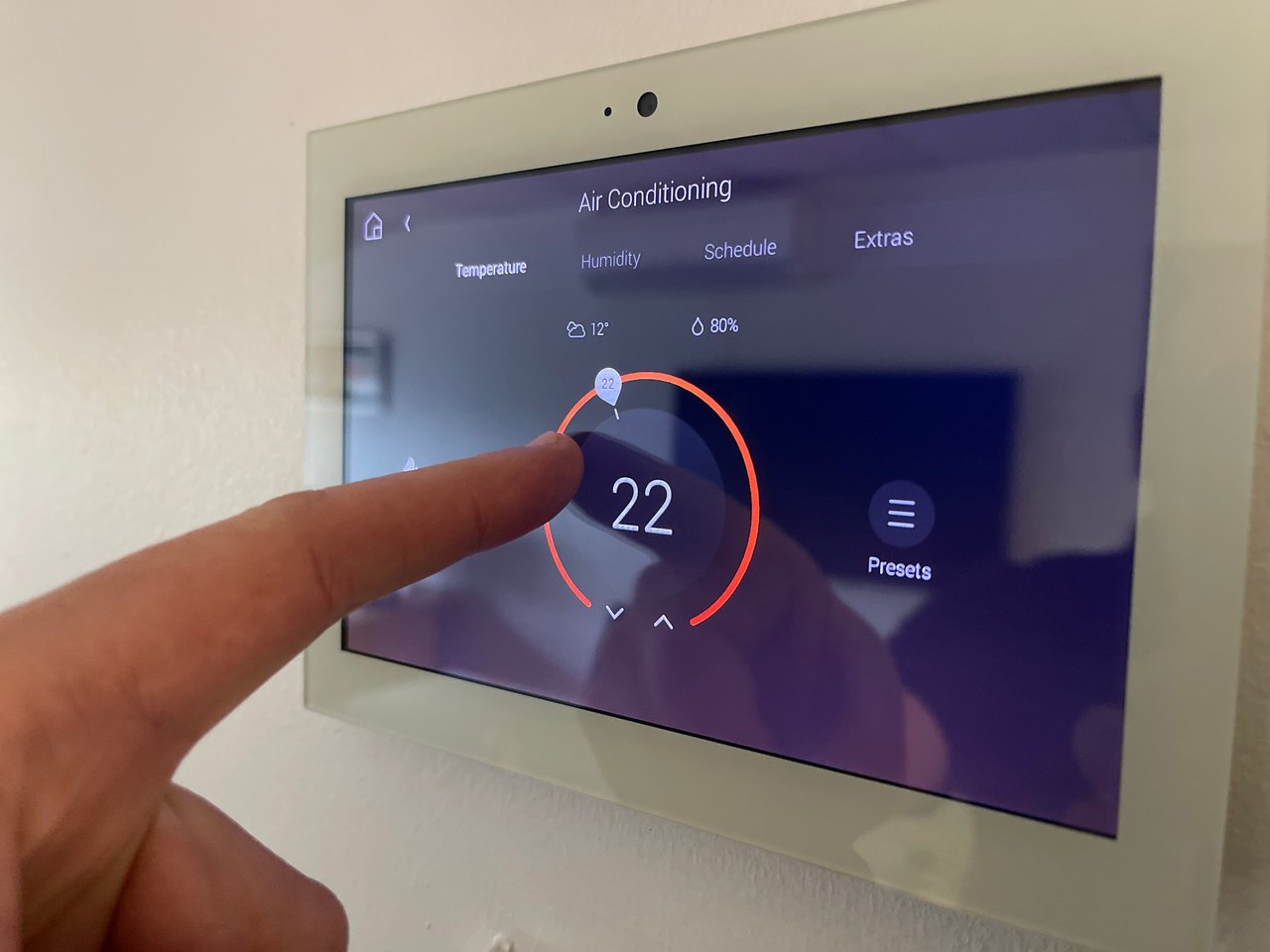
Technology is also playing a big role in sustainable living.
Smart home devices help homeowners monitor and reduce energy consumption without sacrificing comfort.
Some of the most popular options include:
-Smart thermostats that learn your schedule
-Smart irrigation controllers that adjust watering based on weather
-Whole-home energy monitoring system-
-Smart lighting that automatically adjusts based on occupancy
These upgrades not only reduce utility costs, they’re also features that many buyers actively look for when touring homes.
Sustainability is no longer just a lifestyle preference—it’s becoming an important part of real estate value and buyer demand.
That said, the most successful eco-friendly homes strike the right balance between efficiency, practicality, and flexibility for future buyers.
In Arizona, some of the smartest green investments include:
-Owned solar systems (not leases)
-Energy-efficient HVAC and insulation
-Water-wise landscaping
-Smart home technology
-Solar-ready construction
When done thoughtfully, these upgrades can lower utility bills, reduce environmental impact, and make your home more attractive to buyers in the future.
If you’re considering installing solar, remodeling your home with sustainability in mind, or buying a property with green features, it’s worth understanding how those decisions can impact both your monthly costs and your long-term resale value.
The right improvements can make a meaningful difference, not just for the environment, but for your home’s future marketability as well.
Create a downloadable branded file with the following information:
Title of download: The Arizona Solar Contract Survival Guide: 20 Questions Every Homeowner Should Ask Before Installing Solar.
Questions to Ask Before Installing Solar Panels or Buying a Home With Solar in Phoenix & Scottsdale
Solar energy can be a smart investment in Arizona thanks to our abundant sunshine and rising energy costs. However, the structure of the solar agreement and the type of system installed can significantly impact both your long-term savings and your home’s resale value.
Use this checklist to make sure you ask the right questions before signing a solar contract or purchasing a home with an existing solar system.
☐ Do I own the solar panels outright, or are they leased?
☐ Is this agreement a solar lease, Power Purchase Agreement (PPA), or solar loan?
☐ What is the total length of the contract?
☐ Is there an annual payment escalator clause that increases the payment each year?
☐ Will a UCC lien be filed against my property as part of the agreement?
___________________________________________________________________________________________________
☐ What happens to the solar agreement if I sell my home?
☐ Can a buyer easily assume the solar agreement?
☐ Will the buyer need to qualify with the solar company to take over the contract?
☐ Are there transfer fees or penalties involved?
☐ Could this agreement make my home harder to sell in the future?
___________________________________________________________________________________________________
☐ What is the age and condition of my roof before installing solar panels?
☐ Who pays if the panels need to be removed for roof repairs or replacement?
☐ Who is responsible for system maintenance and repairs?
☐ What equipment and labor warranties are included?
___________________________________________________________________________________________________
☐ What is the estimated annual energy production of the system?
☐ How do the projected savings compare to the monthly solar payment?
☐ What assumptions were used for future electricity rate increases?
☐ Will I still receive a utility bill from the electric company?
___________________________________________________________________________________________________
☐ If my energy needs increase (EV charger, pool, home addition), can the system be expanded?
☐ Will the solar system affect my homeowner’s insurance policy?
☐ Are there any HOA approvals or restrictions related to solar panels?
___________________________________________________________________________________________________
☐ What brand of solar panels and inverter will be installed?
☐ What is the expected lifespan of the system?
☐ Is monitoring software included so I can track system performance?
☐ Is the system properly sized for my home’s energy usage?
While solar can significantly reduce energy costs in Arizona, the structure of the solar agreement matters just as much as the system itself.
In real estate transactions, owned solar systems are generally the most attractive to buyers, while solar leases and certain long-term contracts can complicate the resale process.
If you're considering solar or buying a home with an existing system, it's always wise to review the details carefully and understand how the agreement could impact your home’s future marketability.
Stay up to date on the latest real estate trends.

Less Scrolling, More Living: Finding Gratitude, Contentment & Connection in a Noisy World

10 questions to help you decide if your home still fits your life.


Supporting your real estate goals with comprehensive information and expert advice. We look forward to the opportunity to serve you! Work with the team now!
Get In Touch With Our Team To Learn More
INSPIRED LIVING REAL ESTATE COLLECTIVE
7025 E Via Soleri Dr #125 Scottsdale, AZ 85251