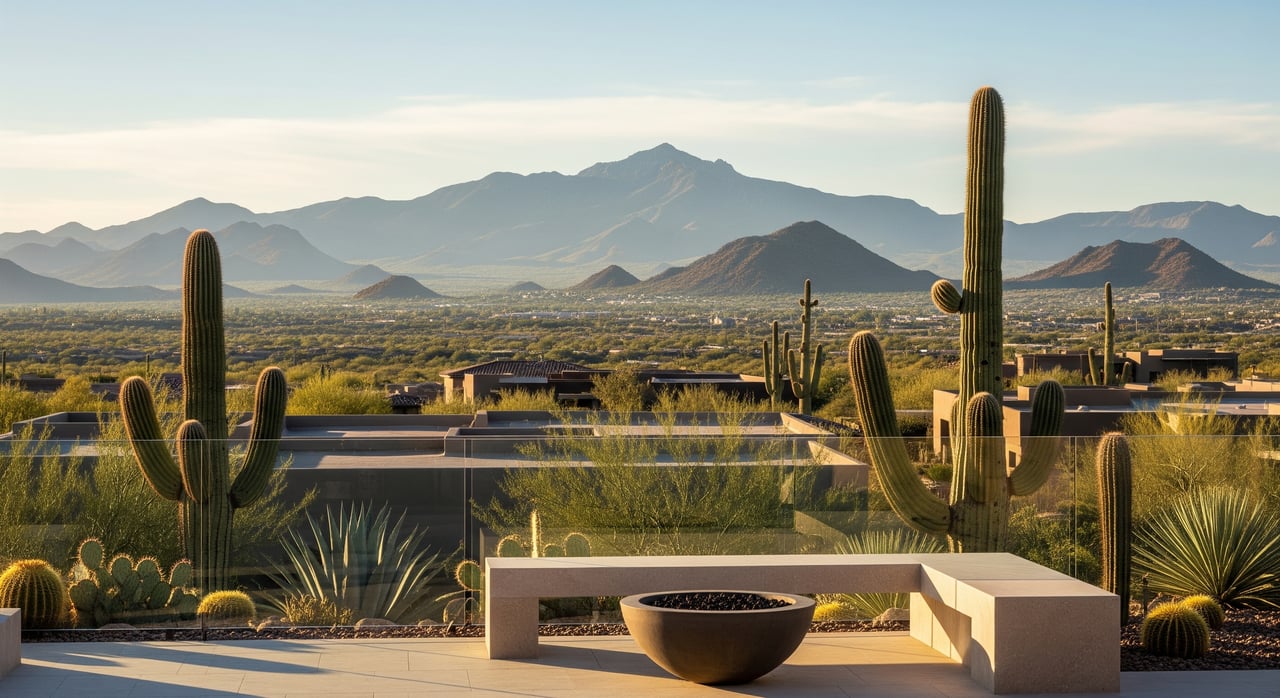
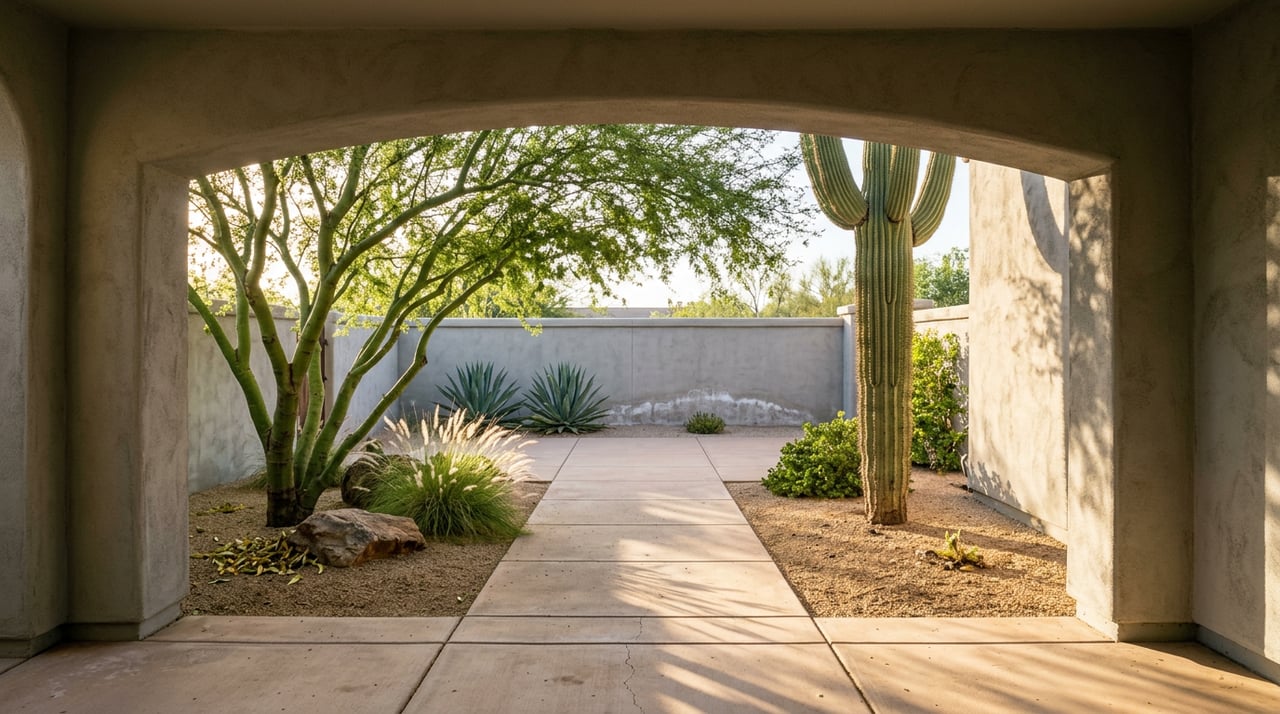
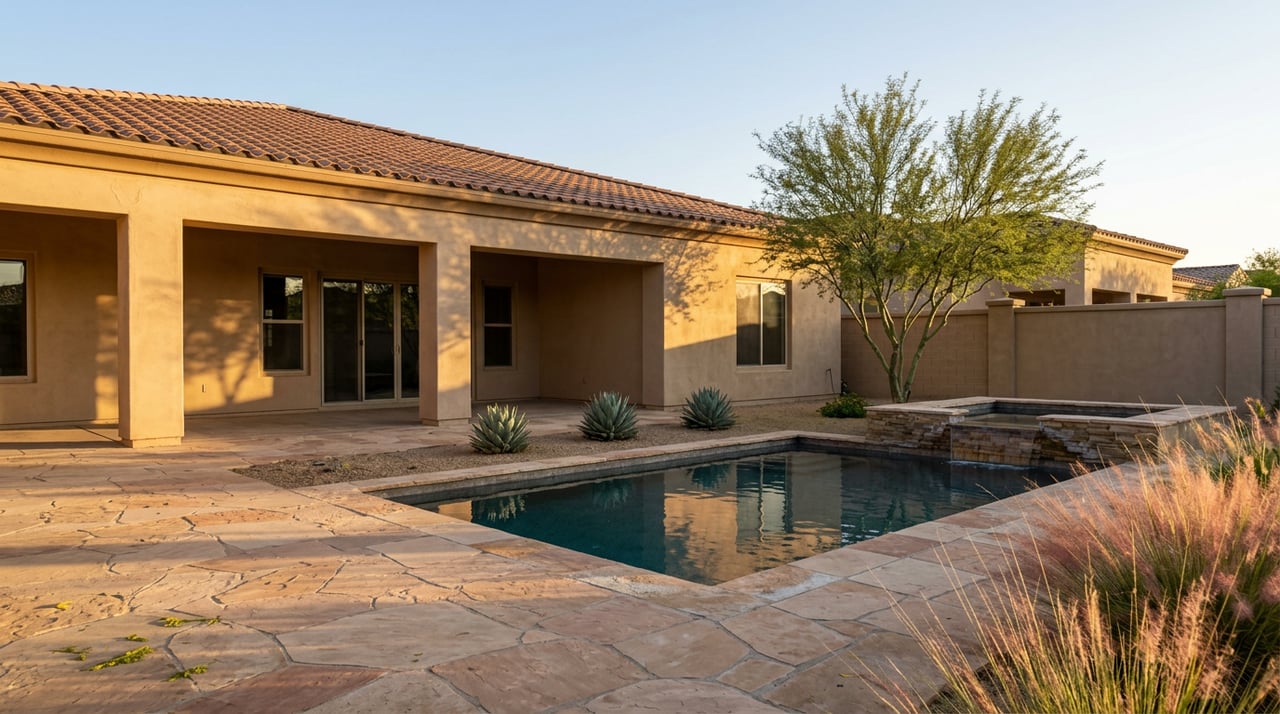
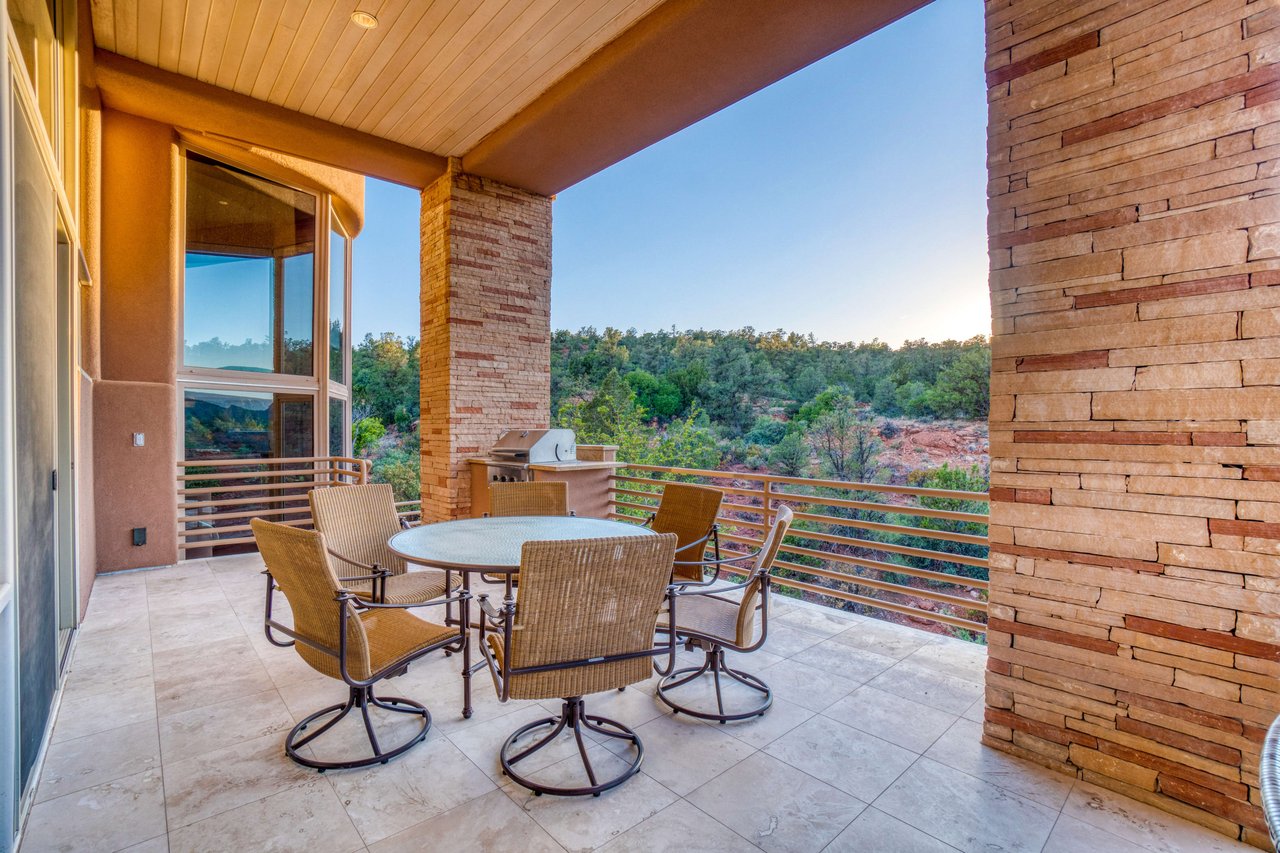
Are you dreaming of coffee at sunrise with Four Peaks glowing pink or golden sunsets over the McDowells from your back patio? In Fountain Hills, the right lot can deliver daily views that feel like a vacation. The challenge is knowing exactly where those views come from, what to prioritize, and what to avoid. In this guide, you’ll learn which micro-areas tend to capture the best mountain vistas, how lot orientation and design choices affect what you see, and what to check before you buy or build. Let’s dive in.
What creates Fountain Hills views
Fountain Hills sits on a high mesa with foothills that roll toward the desert. Because of the elevation changes, many homes look out to landmark ranges like the McDowell Mountains to the west and northwest, and Four Peaks and the Mazatzal foothills to the east and southeast. The best views happen where the land, orientation, and line of sight work together.
Key factors to look for:
- Elevation relative to neighbors. Higher lots on ridges often clear rooftops and trees for long-distance views.
- Aspect and sunlight. East-facing homes frame Four Peaks and soft morning light, while west-facing exposures capture McDowell sunsets.
- Lot shape and slope. Open slopes and convex corners create wider panoramas. Concave lots or lots below neighbors can limit sightlines.
- Foreground conditions. Trees, walls, and future construction can impact views. Verify what is on adjacent parcels and what could be built later.
Best micro-areas for mountain views
Below are common lot positions that often deliver strong mountain sightlines in Fountain Hills. These are patterns to guide your search rather than strict neighborhood rankings.
Ridgeline and mesa-edge lots
- What you get: Broad panoramas, sometimes up to 270 degrees, with distant mountain backdrops and minimal roofline obstruction.
- What to weigh: Steeper driveways, more wind and sun exposure, and potentially higher grading or retaining-wall costs for new builds.
Upper-foothill lots on the slope
- What you get: Elevated vantage with strong lateral views. Many mid-slope parcels balance a view with usable outdoor areas.
- What to weigh: Easier to develop than crest sites, but later infill on nearby lots can narrow view corridors. Confirm elevations around you.
Corner, cul-de-sac, and convex lots
- What you get: Multi-direction exposure that opens up wider sightlines. Side yards and terraces can frame multiple ranges.
- What to weigh: Some corners have tighter setbacks or visibility rules. Lot sizes can be irregular, which affects design and placement.
Elevated gated plateaus and golf-course edges
- What you get: Curated landscaping, lower density, and golf corridors that keep the foreground open toward the mountains.
- What to weigh: HOA approvals, exterior guidelines, and height rules can limit deck or roof-terrace options. Factor in HOA fees and timelines.
Lower-elevation lots with view corridors
- What you get: Focused, dramatic views down a street or open space lined up with a peak, even at modest elevations.
- What to weigh: Narrower field of view and more susceptibility to future obstruction along the corridor. Verify surrounding plans.
Orientation and design tips that protect your view
Smart planning can make a good view great, and keep indoor comfort in check.
Match rooms to the view
- Face your great room, kitchen, and primary suite toward the strongest sightline. Place main patios and pools on that same axis.
- On sloped lots, consider split-levels or stepped foundations so each level keeps a clear view above the one in front.
Balance light, heat, and glare
- East-facing glass frames Four Peaks with cooler morning light. West-facing glass captures McDowell sunsets, but plan for shading.
- South-facing spaces collect winter sun. North-facing windows can preserve views while reducing glare. Mix orientations for comfort.
Use height and massing wisely
- Tuck garages and lower volumes on the uphill side and leave taller volumes on the downhill side to maximize the downhill panorama.
- Roof decks and viewing platforms can upgrade the view, but always confirm height limits and HOA rules first.
Landscape for sightlines and safety
- Favor low desert-friendly plantings and strategic pruning to keep the foreground open.
- Use shade structures like trellises or light canopies that protect from heat without blocking the horizon.
- Maintain defensible space where hillside conditions call for it.
HOA, permitting, and height rules to know
In Fountain Hills, what you can build and how high you can build it are shaped by both municipal rules and community guidelines.
- CC&Rs and design review. Many communities require approvals for exterior colors, materials, rooflines, and visible improvements such as decks and terraces. Obtain guidelines early and note submittal timelines.
- Permits for hillside work. Grading, retaining walls, and slope-related construction typically require permits. Expect drainage and erosion-control plans to protect neighboring lots.
- Height and view protection. View easements are not automatic. Arizona generally protects views through private agreements or local codes. Verify height limits and how height is measured on your specific lot.
- Vegetation and tree rules. Some communities regulate removals or pruning. Confirm what is allowed before altering trees that influence sightlines.
- Easements and setbacks. Utility and drainage easements can limit where you place patios, pools, or additions that frame your view.
Value trade-offs and cost considerations
A great view can be a major value driver, but premiums and costs vary by market conditions and the specific property.
- Market premium. Mountain views often sell at a premium, but the amount depends on view quality, demand, and nearby comparables. Local comps matter more than national rules of thumb.
- Slope-related costs. Expect higher spend for grading, retaining walls, engineered foundations, and drainage design on steep or ridgeline sites.
- Livability and access. Steep sites may require more stairs, split levels, or even elevators, which affect daily living and future resale to buyers who prefer single-level homes.
- Risk and insurance. Elevated lots can face more wind or wildfire exposure. Arroyos and lower slopes may introduce flood or drainage risks. Confirm coverage and hazard exposure.
- Resale and buyer pool. Extreme-view homes with many stairs or limited outdoor flat space can narrow your audience. Balance the wow-factor with usability.
A quick due diligence checklist
Use this list to protect your view and your budget before you write the offer.
Data and mapping
- Compare the lot’s elevation to adjacent parcels.
- Use 3D tools and on-site photos to confirm sightlines toward Four Peaks and the McDowells.
- Check for arroyos, flood risk, and drainage paths.
HOA and legal
- Get CC&Rs, architectural guidelines, and design review applications.
- Ask about pending neighbor projects or landscape changes that could affect sightlines.
Permits and site conditions
- Request past grading, building, and foundation permits; verify compliance.
- Order a topographic survey if you plan additions or new construction.
- Obtain a geotechnical report for hillside building.
Neighboring development risk
- Investigate whether nearby vacant lots can be built and to what height.
- Visit at different times of day to see light, glare, and seasonal changes.
Utilities and access
- Confirm road access, utility locations, and any easements.
- Identify runoff paths and whether the lot is cut or fill.
Documentation to request
- Photos from main living areas and patios, plus any drone imagery.
- Records of retaining walls or slope repair work.
Professional team to involve early
- Local architect or hillside-savvy builder.
- Geotechnical engineer, surveyor, and civil engineer for grading and drainage.
- Appraiser familiar with Fountain Hills view premiums.
How Inspired Living can help your search
You deserve a home that delivers the daily “wow.” Our concierge approach helps you target the right micro-areas, verify sightlines, and weigh costs and livability before you commit. We curate listings and off-market opportunities that align with the view, orientation, and floor plan you want, then guide you through HOA and permitting steps.
For sellers, our design-forward prep and in-house staging showcase view corridors and outdoor living to command attention and drive results. For buyers and relocators, we coordinate trusted local pros and provide clear, step-by-step support from tours to close. When you are ready, connect with the team at Inspired Living Real Estate Collective to align your next move with an inspiring desert backdrop.
FAQs
How can I ensure a Fountain Hills view will last?
- Without a recorded view easement, nothing is guaranteed. Reduce risk by checking adjacent parcel buildability, HOA rules, height limits, and whether public land or open space protects the corridor below your line of sight.
Are rooftop decks typically allowed in Fountain Hills communities?
- It depends on local height limits, how height is measured, and HOA design rules. Review zoning and CC&Rs and confirm approvals before planning a roof deck.
Will building on a hillside lot cost significantly more?
- Often yes. Expect added costs for grading, retaining walls, engineered foundations, and erosion control. A geotechnical report and builder estimates will clarify scope and budget.
Do mountain-view premiums affect property taxes?
- Over time they can. When sale prices reflect a view premium, assessed value may adjust. Check with the county assessor for methodology.
Should I prioritize a panoramic view or a flatter yard?
- Match the lot to your lifestyle. Ridgeline panoramas deliver drama but can sacrifice flat outdoor space and accessibility. Mid-slope lots often strike a better balance for daily living.